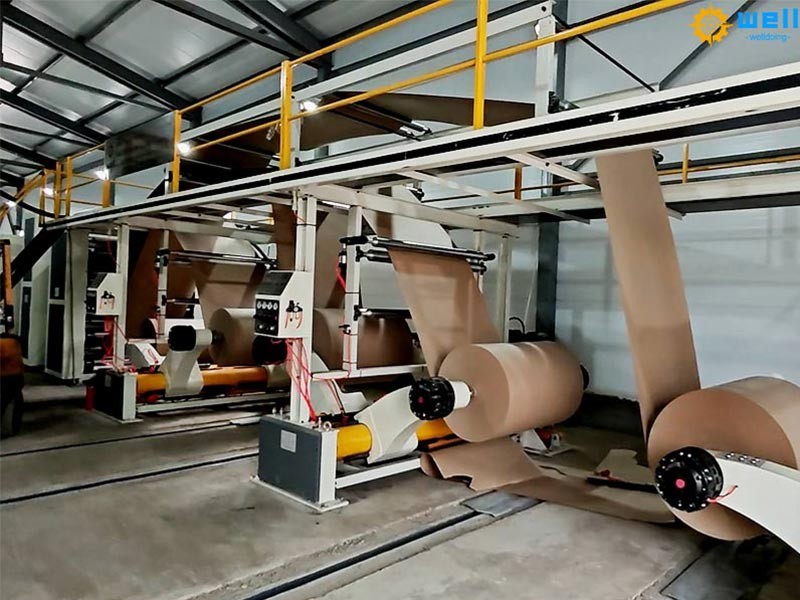
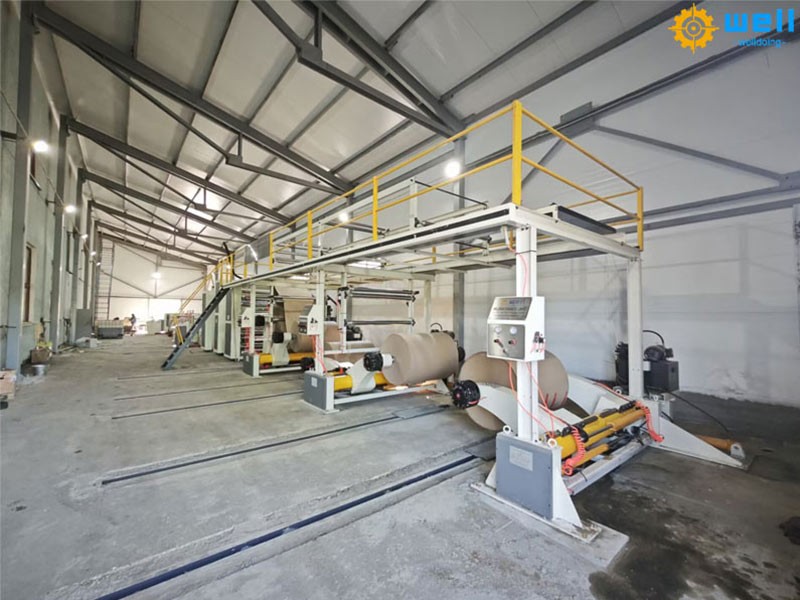
In the production process of packaging, printing, and film processing industries, the thin blade slitter machine is a core equipment that directly determines product quality and production efficiency. However, stuttering during operation, uneven cutting edges, and high material loss are three common faults that plague operators, often leading to reduced production efficiency, increased costs, and even unqualified products. Mastering quick troubleshooting methods for these problems is crucial to ensuring smooth production. This article focuses on analyzing the causes of these three common faults and provides targeted quick solution plans.
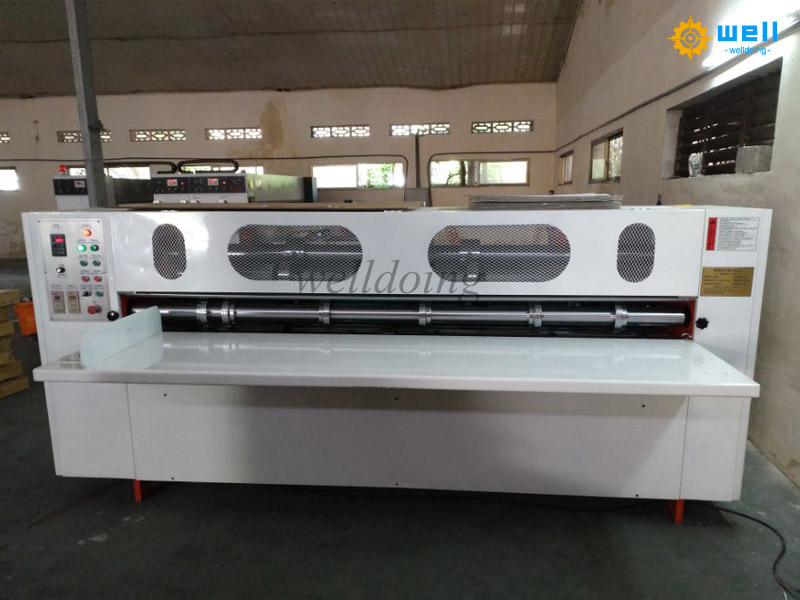
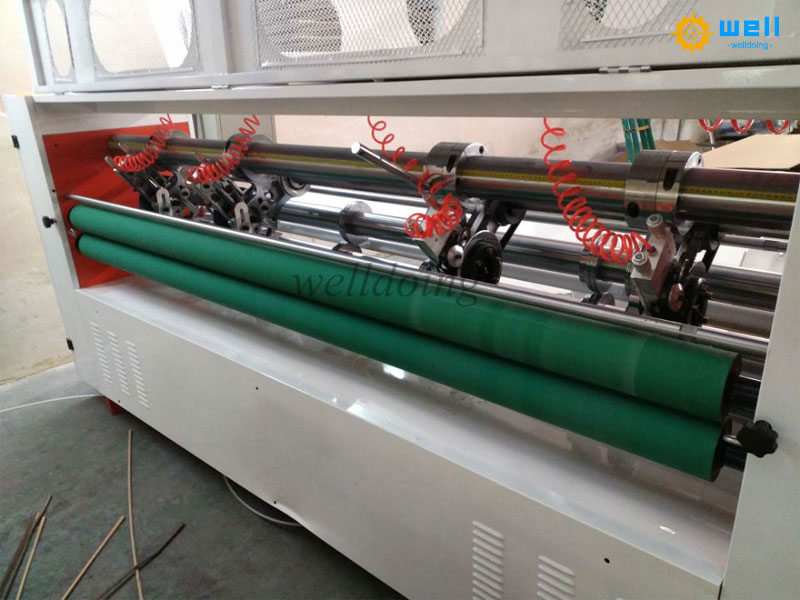
Stuttering of the thin blade slitter score machine during operation is usually caused by four main factors: uneven material tension, wear or jamming of mechanical components, improper speed matching, and foreign body blockage. In practical operation, if the machine stutters, operators should first check the material unwinding and winding tension. Excessive tension will cause the material to be stretched and stuck, while insufficient tension will lead to material deviation and jamming. The solution is to adjust the tension controller to keep the tension stable and consistent with the material characteristics. Secondly, check the blade shaft, guide roller, and transmission part for wear or looseness; add lubricating oil to worn parts in time or replace them, and tighten loose fasteners. In addition, clear the foreign bodies such as material scraps in the cutting area, and adjust the speed of each part to ensure synchronization, which can quickly solve the stuttering problem.
High material loss is closely related to the above two faults and is also affected by improper operation and equipment precision. The main causes include excessive cutting deviation, material waste caused by stuttering, and unreasonable cutting parameter settings. To reduce loss, on the one hand, it is necessary to solve the stuttering and uneven cutting problems in time to avoid material scrapping caused by equipment faults. On the other hand, optimize the cutting parameters: adjust the cutting speed and blade pressure according to the material type and thickness, and reasonably set the cutting width to reduce the leftover material. In addition, strengthen the daily inspection of the equipment, calibrate the equipment precision regularly, and train operators to standardize their operations, which can effectively reduce material loss.
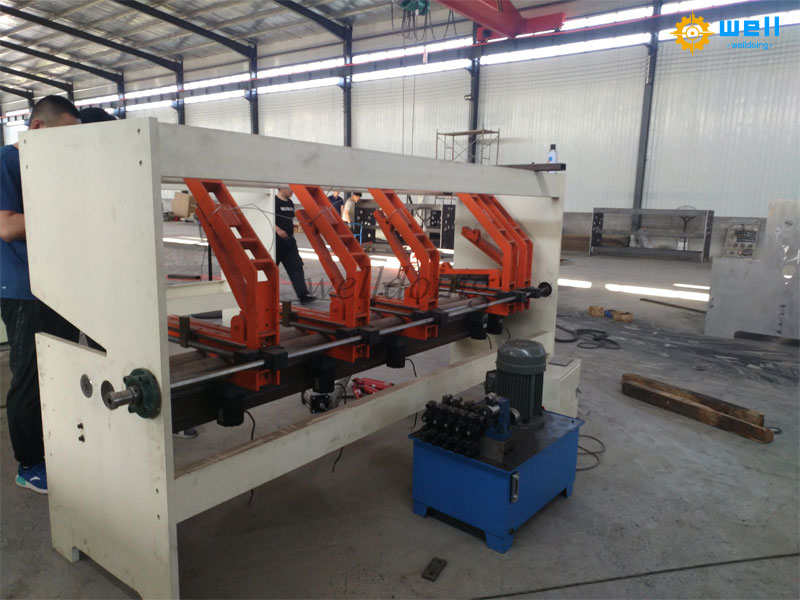
In addition to the targeted solutions for the above three faults, daily maintenance is the key to preventing faults. Operators should clean the equipment regularly, remove scraps and dust, lubricate key components on time, and check the wear of blades and mechanical parts regularly. Establish a maintenance record to record the fault situation and solution, which is convenient for subsequent troubleshooting. For complex faults that cannot be solved quickly, professional maintenance personnel should be contacted in time to avoid secondary damage to the thin blade machine.