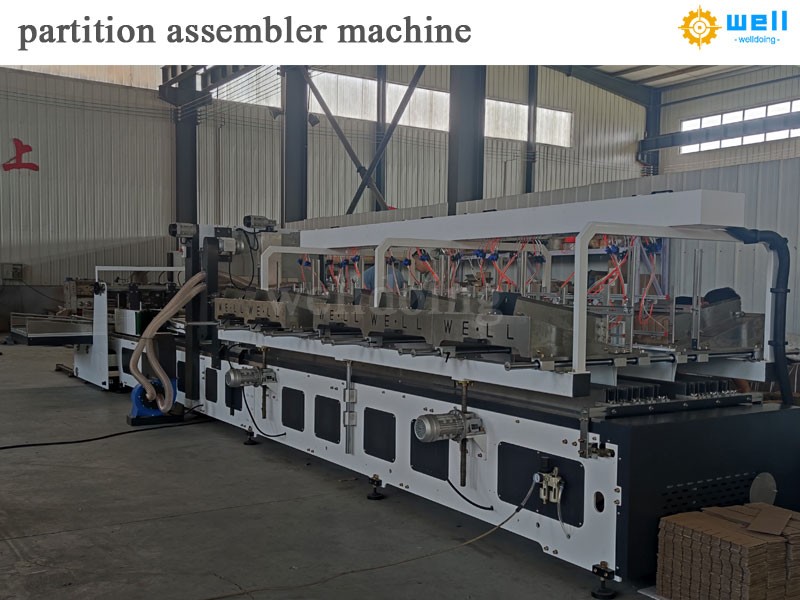
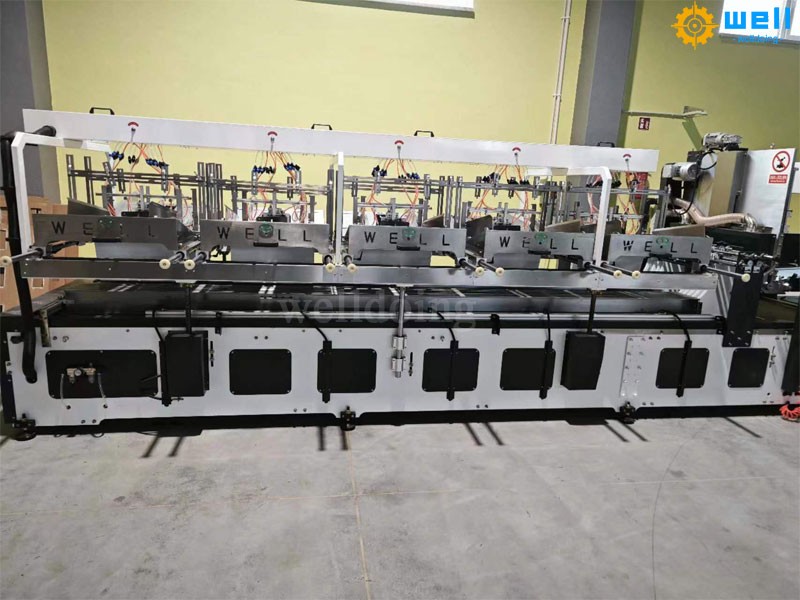
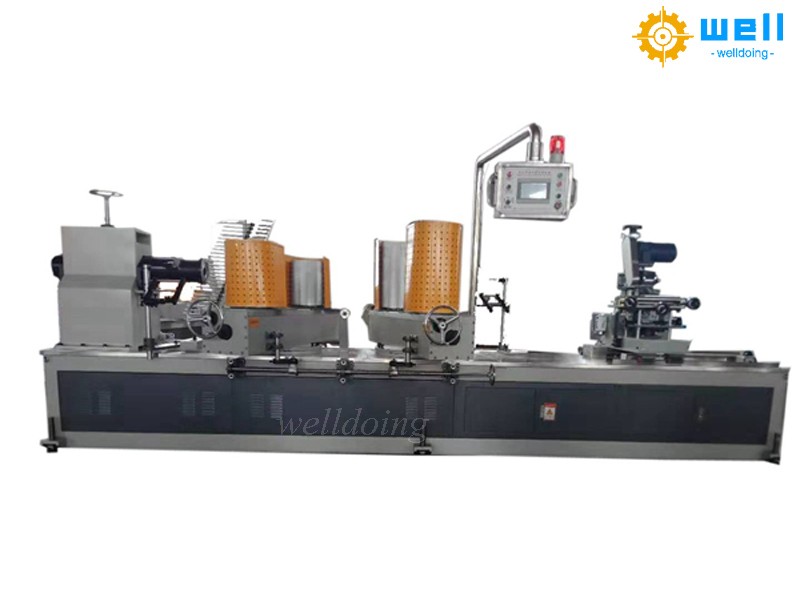
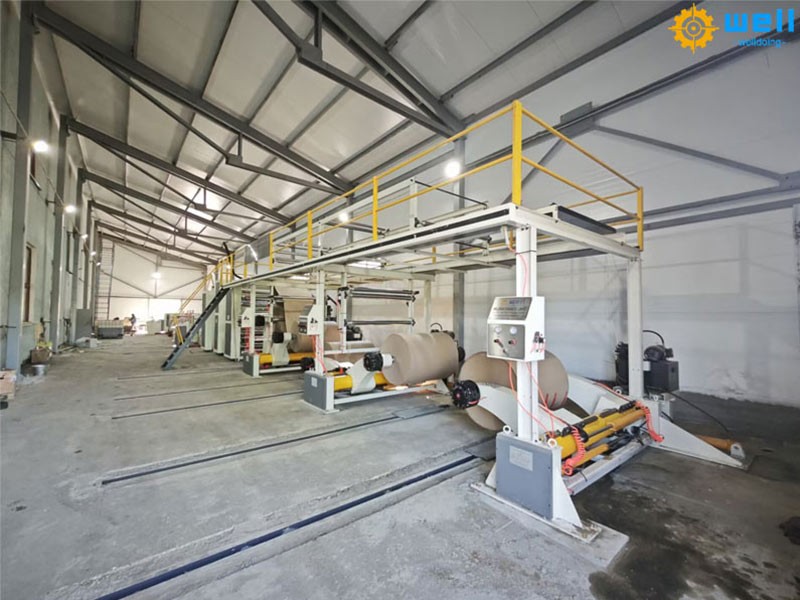
Grey board making machine stands as essential core industrial machinery in the global packaging, stationery, and furniture base material manufacturing sectors. As worldwide market demand for high-density, durable, and cost-effective grey chipboard products keeps rising steadily, modern automated grey board making machine mill lines have successfully replaced outdated manual and semi-automatic equipment, evolving into fully intelligent, energy-saving, and integrated production systems. This professional guide focuses on the complete line configuration, standardized working process, unique technical advantages, and industrial application values of high-performance grey board making machine units, enabling global industrial buyers and paper mill investors to fully grasp the core strengths of standardized grey board production solutions.
A complete industrial paper hardboard production line is an all-in-one systematic production system that integrates pulping, fiber forming, press dewatering, constant-temperature drying, multi-layer laminating, precision cutting, and automatic stacking processes. Unlike single-function paper processing devices, the integrated grey board making machine production line supports uninterrupted one-stop manufacturing from waste paper raw materials to finished grey board products, covering every core procedure of commercial grey board production. It is highly versatile for manufacturing various specifications of grey board, grey chipboard, and solid paperboard, widely used for gift box packaging, book cover binding, furniture backing panels, and industrial packaging base substrates across global markets.
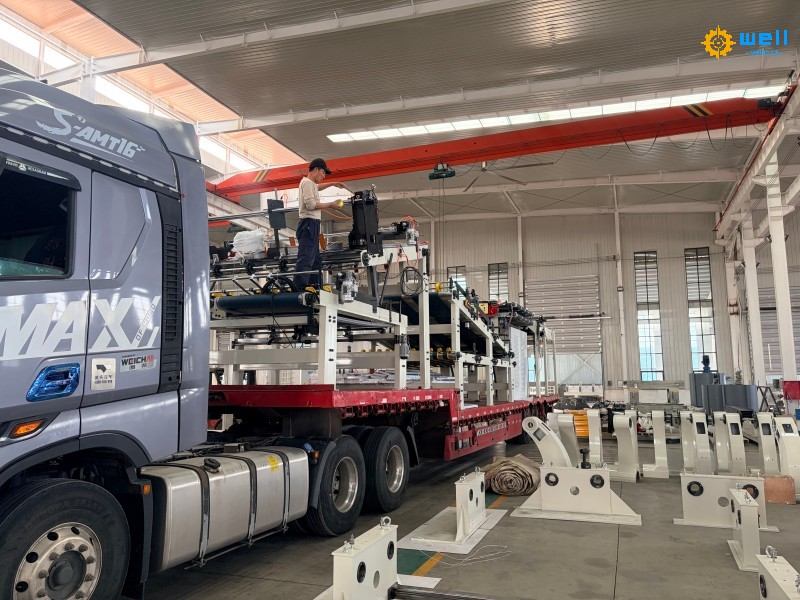
Complete Configuration of Grey Board Making Machine Mill Line
The high-performance industrialgrey board making machine mill line adopts a scientific modular assembly design, ensuring all functional units operate stably and collaboratively to significantly boost continuous production efficiency and improve finished grey board uniformity and quality. A standard full-set grey board making machine mill line consists of three core functional modules, each professionally customized for large-scale, stable, and low-consumption grey board manufacturing.
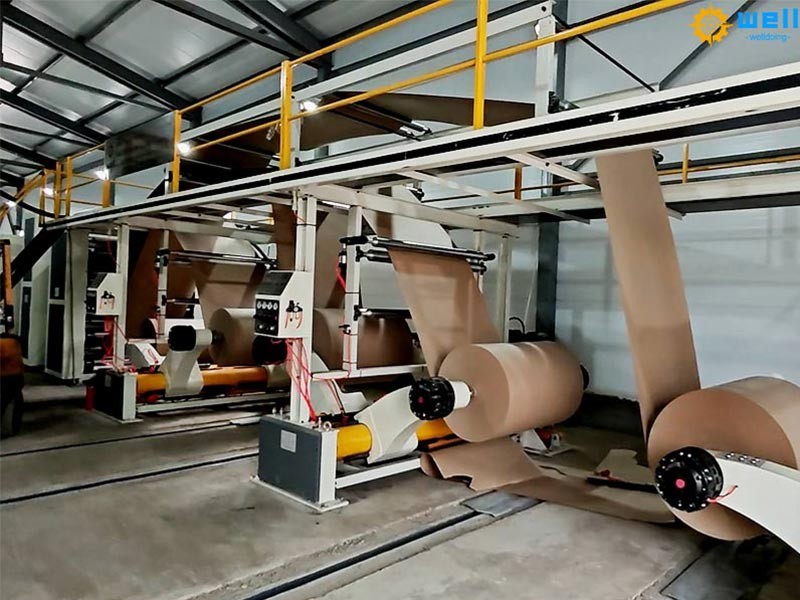
First is the raw material processing module, including a hydraulic mill roll stand and automatic paper splicing device. This part undertakes the feeding work of raw paper rolls, equipped with an intelligent tension control system and skybridge suction baffle, which effectively stabilizes paper feeding tension, avoids paper deviation, board bending, and production interruption, and lays a foundation for uniform board forming. For waste paper recycling production, the line is also equipped with a D-type hydrapulper, high-consistency cleaner, and fine screening equipment to fully break down waste paper, remove impurities, and refine uniform pulp slurry.
Second is the core forming and composite module, consisting of a headbox, forming wire mesh, and multi-layer laminating mechanism. The headbox precisely controls the uniform distribution of pulp slurry on the moving wire mesh to ensure consistent fiber density of the grey board. The multi-layer bonding device supports 2-5 layers of paper composite molding, which can produce thick grey boards of different grammages from 60g/㎡ to 600g/㎡, meeting diversified thickness requirements of the market.
Third is the post-processing molding module, including pressing, constant-temperature drying, cooling shaping, slitting, cross-cutting, and automatic stacking equipment. The high-pressure pressing roller group removes excess water from the wet board and compacts the fiber structure to enhance the hardness and flatness of the grey board. The independent constant-temperature drying system adopts multi-cylinder electric heating design, with independent temperature monitoring and adjustment for each heating cylinder, ensuring uniform drying of the board and controlling the finished product moisture content within the standard range of 8%-12%.
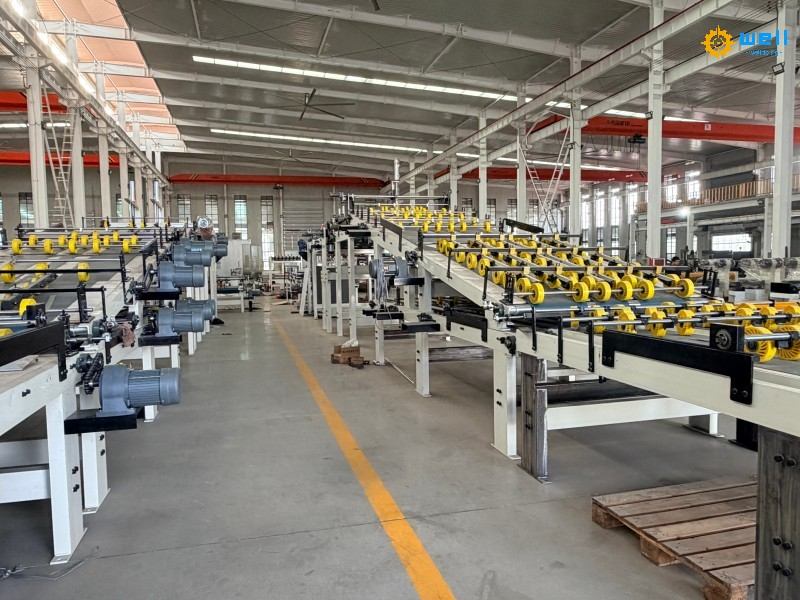
Standard Production Process of Grey Board Making Machine
The standardized grey board making process supported by premium Composite hardboard production line equipment is a continuous, automated assembly line operation with strict standardized parameters for every procedure, ensuring consistent and stable finished product quality for long-term mass production. The entire industrial production workflow of the grey board making machine is divided into six standardized core steps, realizing fully controlled and efficient grey board manufacturing. The first step is raw material preparation and pulping. Waste cartons, waste paper, and other recyclable paper materials are put into the pulper for water immersion and decomposition. After impurity removal, screening, and fiber refining, uniform and impurity-free pulp slurry is formed, which is the key to ensuring the toughness and flatness of grey board.
The second step is pulp forming. The refined pulp is evenly sprayed on the forming wire mesh through the headbox. With the drainage of the wire mesh, the pulp fibers are preliminarily bonded to form a wet grey board blank with a preliminary fixed shape.
The third step is pressing and dewatering. The wet board passes through multi-group precision pressing rollers, which squeeze out free water inside the board and further compact the fiber structure, improving the density and structural stability of the grey board and avoiding subsequent deformation.
The fourth step is constant-temperature drying and shaping. The pressed semi-finished board enters the drying cylinder area for segmented constant-temperature drying. The intelligent temperature control system adjusts the drying temperature in real time according to the board thickness and running speed to ensure thorough and uniform drying, prevent board warping and mildew, and improve the durability of finished products.
The fifth step is cooling and calibration. The dried high-temperature board is naturally cooled and flattened through the cooling conveying platform to restore the stable physical state of the board and optimize surface flatness.
The sixth step is precision cutting and automatic stacking. According to custom size requirements, the integrated slitting and cross-cutting device cuts the board into standard or customized specifications, and the automatic stacking machine neatly stacks the finished products to complete the whole production process.
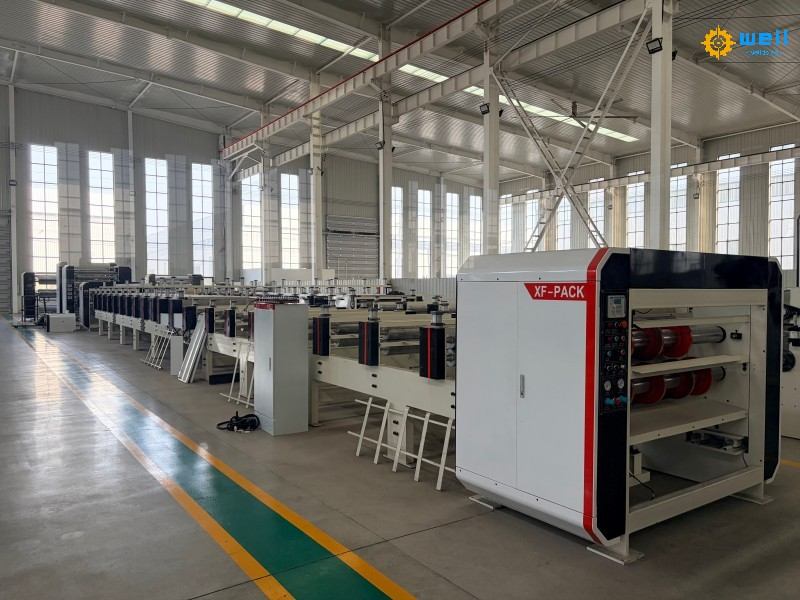
Core Advantages of Modern Grey Board Making Mill Line
Compared with traditional semi-automatic paper processing equipment, the new-generation intelligent grey board making machine mill line boasts prominent competitive edges in automation level, daily output, energy consumption control, and finished product quality stability. Equipped with full PLC intelligent centralized control system, the modern grey board making machine realizes fully automatic paper feeding, gluing, multi-layer composite, constant-temperature drying, precision slitting, and finished product stacking. The entire mill line only requires 1-2 workers for simple auxiliary monitoring and maintenance, drastically cutting manual labor costs and greatly improving overall production efficiency for paper processing factories. Secondly, the equipment has strong compatibility and can flexibly produce grey boards of different thicknesses, sizes, and grammages. It supports both waste paper recycling pulping production and raw paper roll composite production, with low production cost and high raw material utilization rate, which conforms to the global environmental protection and circular economy development trend.
In addition, the optimized mechanical structure and constant-temperature drying technology effectively reduce the defective rate of products. The produced grey board features high hardness, good flatness, uniform thickness, strong compression resistance, and no deformation, fully meeting the high-standard usage requirements of high-end packaging, printing, and furniture industries. Meanwhile, the modular structure design is convenient for daily maintenance and later function upgrading, reducing equipment operation and maintenance costs for enterprises.
Market Application and Development Prospects
Driven by the booming development of the global commodity packaging industry and customized home furnishing sector, international market demand for high-quality, high-flatness grey board continues to grow year after year. As the indispensable core production equipment, the energy-saving and high-efficiency grey board making machine mill line has become the top choice for paper processing enterprises and new paper mill projects in emerging markets including Southeast Asia, Africa, and the Middle East.
Against the global backdrop of energy conservation, emission reduction, and green industrial development, the waste paper recycling function and low-power consumption design of the upgraded cardboard production line fully comply with international green production standards and environmental regulations. This advanced grey board making machine not only lowers raw material and energy costs for manufacturers but also helps enterprises obtain global environmental certification qualifications, facilitating faster expansion of overseas market share. Looking ahead, with the continuous upgrading of industrial intelligent manufacturing technology, grey board making machine production lines will evolve toward higher intelligence, faster operating speed, and lower energy consumption, bringing more stable and considerable economic benefits for global paper processing manufacturers.