This article provides practical guidance for SMEs to select the right ink waste water treatment machine, helping avoid blind investment and choose equipment matching their production scale and waste water characteristics.
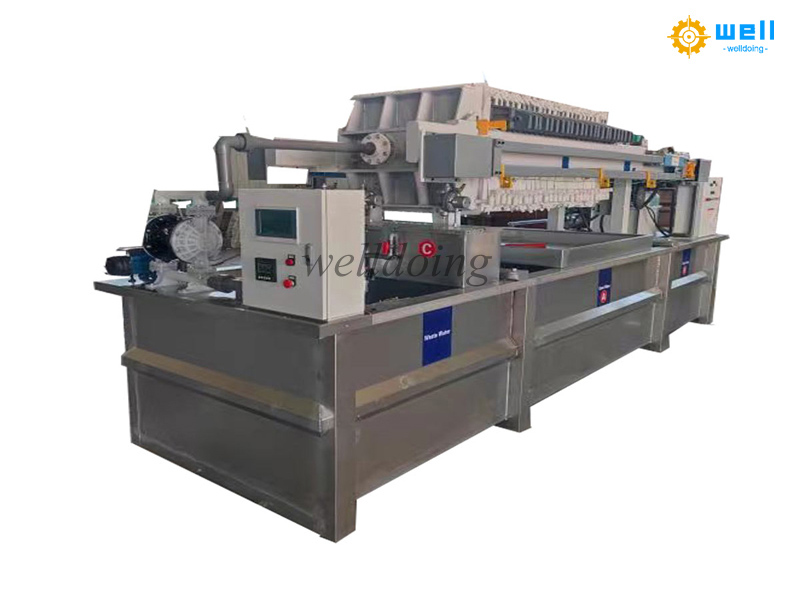
Analyze ink waste water characteristics: Confirm daily waste water output (0.5t to 50t for most SMEs) and test key indicators (COD, chromaticity, SS, pH, heavy metals, refractory substances). For example, UV ink waste water needs equipment with iron-carbon microelectrolysis or electrocatalytic oxidation, while water-based ink waste water focuses on coagulation, air flotation, and decolorization.
Confirm local emission standards: Different regions (e.g., EU REACH, U.S. EPA) have strict restrictions on COD, heavy metals, and chromaticity. Clarify local discharge limits (e.g., COD ≤ 50mg/L, chromaticity ≤ 50 times) to avoid fines or shutdowns.
Tips for SMEs: If you lack professional testing conditions, cooperate with local institutions or equipment suppliers for on-site sampling. This small investment avoids inappropriate equipment selection and reduces later modification costs.
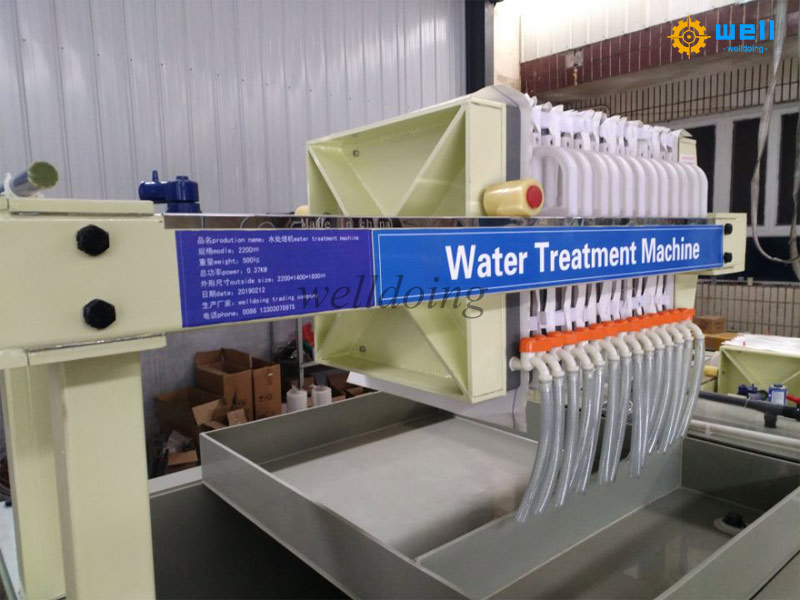
Integrated ink waste water treatment machine: Suitable for SMEs with daily output <50t. It integrates coagulation, air flotation, filtration, and disinfection, with small footprint (50%-70% of split equipment), quick installation, and low initial investment. PLC automatic control enables unattended operation, cutting labor costs by over 40%—ideal for small printing workshops.
Split equipment: Suitable for SMEs with daily output >50t or complex waste water. It has strong scalability but higher initial investment, longer installation, and requires professional operators—unrecommended for SMEs with limited technical strength.
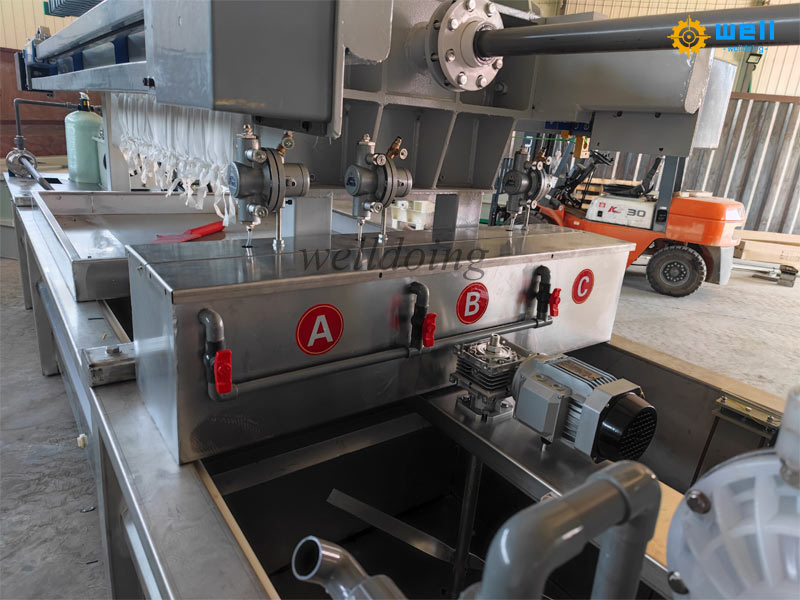
Chemical dosage: Choose efficient processes (modified Fenton, heterogeneous catalytic ozonation) to reduce chemicals. For example, iron-carbon-Fenton coupling reduces iron sludge by over 60%.
Energy consumption: Select energy-saving equipment (e.g., heat pump-driven low-temperature evaporation, 1/3 the energy of traditional equipment) with automatic energy-saving control to avoid waste.
Maintenance difficulty: Choose equipment with simple structure and modular design for easy component replacement, suitable for SMEs without professional maintenance teams.
Intelligent operation: Choose full-automatic control systems for real-time indicator monitoring, automatic parameter adjustment, and fault alarms—operators only need simple training.
After-sales technical support: Select suppliers with SME service experience, providing on-site installation, training, 24-hour consultation, and customized solutions to solve failures timely.
Equipment durability: Choose corrosion-resistant materials (PP board, engineering plastics) to extend service life. Pay attention to warranty (≥1 year) and spare part quality.
Blindly pursuing low prices: Low-cost equipment has unstable effects, may fail to meet standards, and high later operation costs offset initial savings.
Ignoring waste water variability: Waste water composition changes with ink/orders—choose equipment with strong anti-impact ability to adapt to fluctuations.
Overlooking sludge disposal: Sludge is hazardous waste—choose low-sludge equipment (e.g., low-iron sludge Fenton) to reduce disposal costs.
Ignoring recycling value: For water-intensive SMEs, choose recycling equipment (UF+NF+RO) to reuse 70%-85% of water, cutting purchase costs.