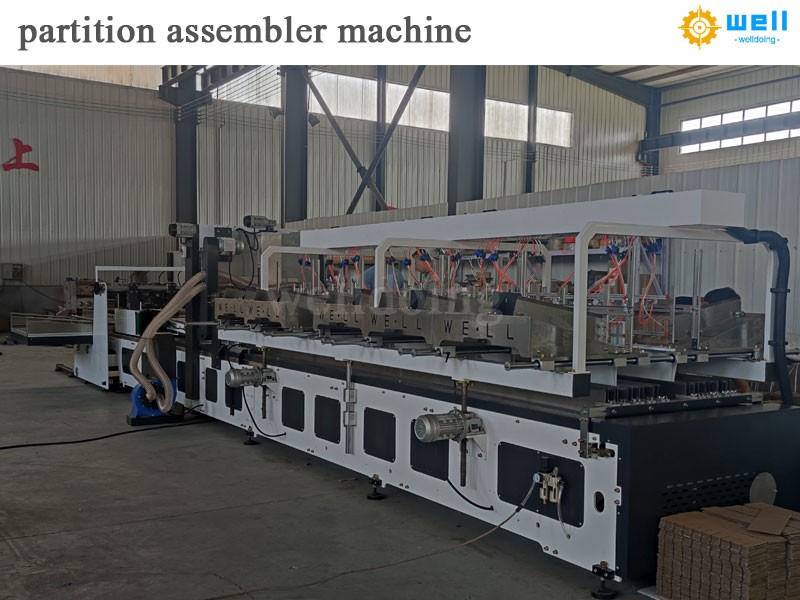
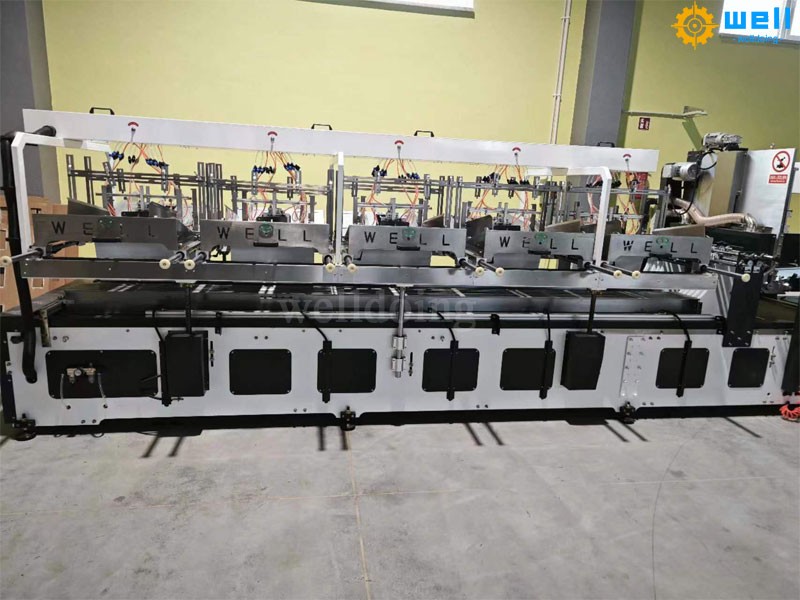
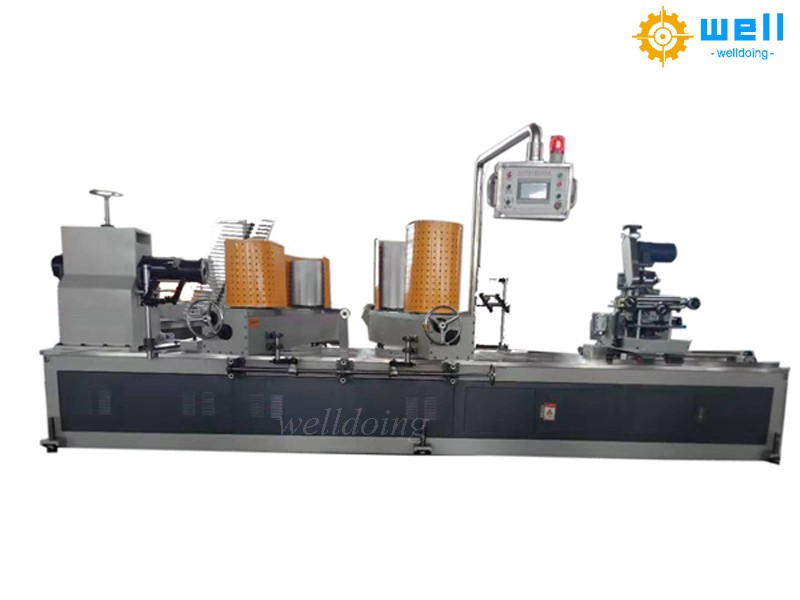
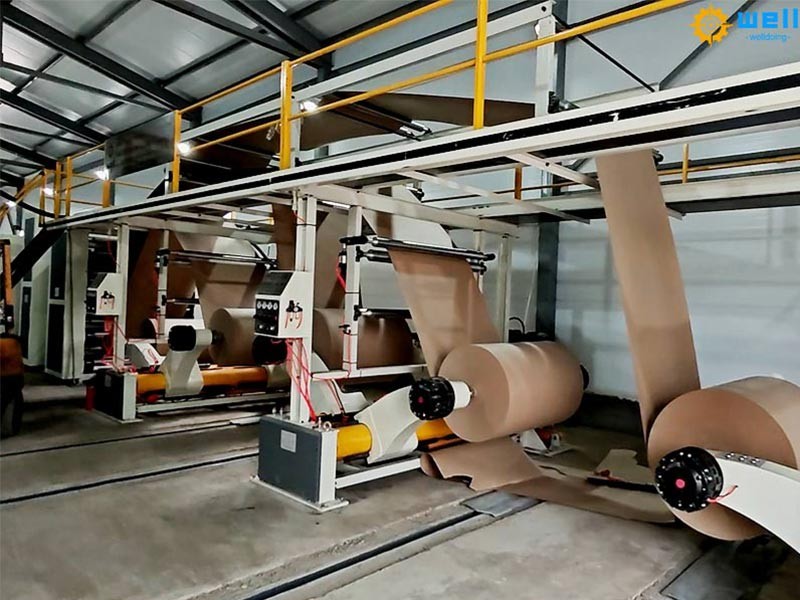
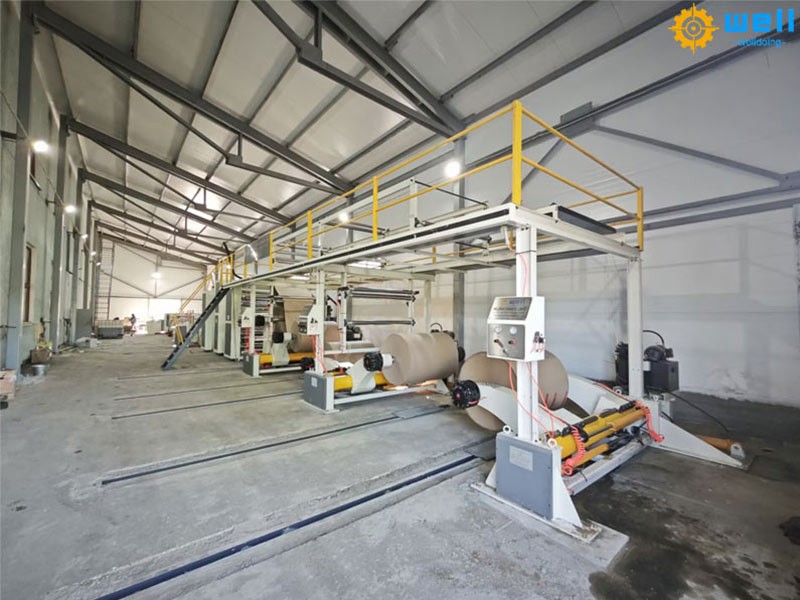
If you run a packaging converting plant that manufactures paper angle boards, you already know that your Paper edge protector machine lives or dies by glue coating stability. Many manufacturers invest in a new paper edge protector making machine hoping to boost output, only to struggle with inconsistent glue layers, delamination, soft corners, deformed 90° profiles, high glue waste, and frequent customer rejections. Uneven glue coating is the silent bottleneck that drags down yield, raises raw material costs, and ruins the reputation of your angle board products for pallet protection, cargo strapping, and export packaging. This guide breaks down why glue control matters most on a paper edge protector machine, what triggers unstable coating, and how modern machine design locks in repeatable glue application for uniform, high-strength angle board quality at high running speeds.
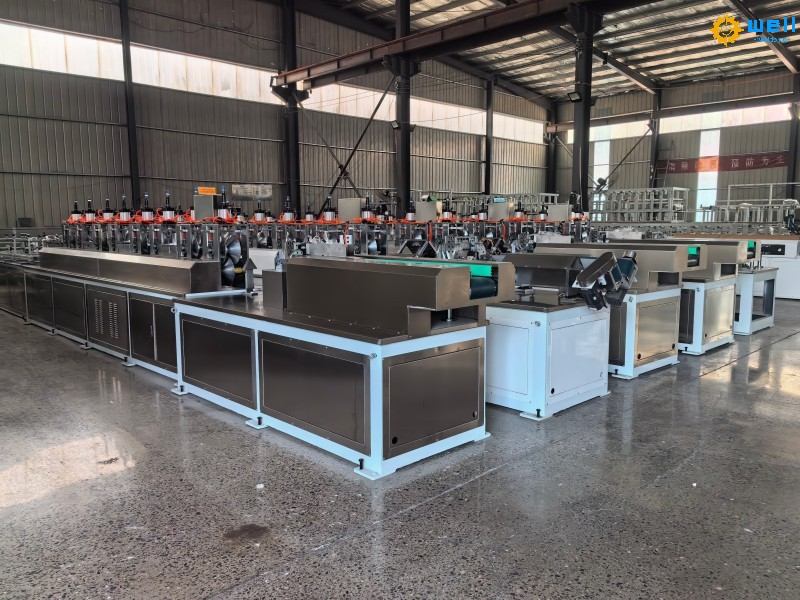
Paper edge protectors, also widely called angle boards, corner boards, V-board edge protectors, are multi-layer kraft paper profiles laminated and formed into rigid right-angle strips. Their core job is to absorb stacking pressure, resist strap crush, prevent pallet edge damage, and keep cartons and heavy cargo intact during sea freight, warehousing, and intermodal transport. End buyers — logistics firms, furniture factories, metal processors, brick and tile exporters — test angle boards strictly for edge crush strength, interlayer bonding, dimensional accuracy, and shape retention. All these performance metrics trace back directly to the glue coating step on your paper edge protector machine. Too little glue creates dry spots, weak lamination and easy peeling under load. Too much glue bleeds out, warps the paper layers, extends drying time, distorts the right angle, and adds unnecessary adhesive expense. Glue streaks, intermittent coating, viscosity drift, and temperature fluctuations create batches where some angle boards pass inspection and others fail randomly. For converters selling standard or heavy-duty angle boards, that inconsistency is unsustainable.
Most unstable glue coating issues on a paper edge protector machine are not caused by poor glue alone. They stem from weak integration between glue supply, transfer mechanism, web tension, temperature control, and forming synchronization. Budget paper edge protector machine models use open glue troughs with simple glue rollers, lacking closed-loop regulation. As line speed shifts, ambient humidity rises, or glue tank temperature drifts, coat weight changes continuously. Dried glue residue builds on rollers and blades, causing skip coating and striping. Excess glue drips onto the machine frame or the finished angle board, creating messy rejects and regular downtime for cleaning. Even experienced operators struggle to manually adjust glue valves and roller gaps to match speed changes, especially when running mixed kraft paper grades, varying paper grammage, or switching between thin light-duty angle boards and thick heavy-duty profiles. This old operating model relies on constant human tuning, which limits maximum line speed and prevents stable mass production.
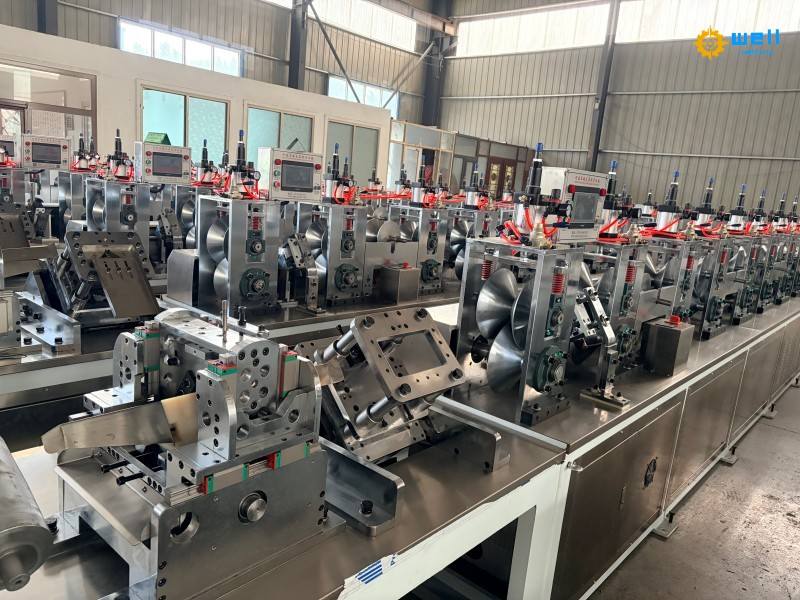
The upgraded generation of automatic paper edge protector machine solves this pain point with a precision closed glue circulation system built for steady coating. Instead of an open glue pool, the controlled glue delivery unit maintains constant glue pressure, continuous filtration, and real-time glue level monitoring. The circulating design captures surplus glue that is not transferred onto kraft paper, filters out solidified glue particles, and feeds clean adhesive back into the tank. This design eliminates glue waste from overflow while avoiding nozzle or roller blockage, one of the top causes of patchy coating on traditional paper edge protector equipmentNRC MACHIN.... Fine-adjustable glue transfer rollers or slot die applicators let technicians set a fixed coat weight target across the full paper width. Once calibrated, the machine holds the glue layer thickness steady whether you run at low speed for thick angle board runs or ramp up to high continuous production speed.
Temperature synchronization is another non-negotiable factor to stabilize glue coating on your paper edge protector machine. Water-based PVA glue, the most common adhesive for angle board production, changes viscosity sharply with temperature shifts. Cold glue turns thick and transfers unevenly; overheated glue loses tack quickly and foams inside the tank. Premium paper edge protector machine units integrate constant-temperature glue tanks and pre-heating sections for incoming kraft paper. The paper pre-heat step equalizes substrate moisture before coating, removing cold spots and uneven absorption that make some paper areas soak up glue faster than others. When glue temperature, paper temperature and workshop humidity stay balanced, adhesive penetrates paper fibers moderately — enough to lock layers together firmly, without over-soaking and warping the forming angle board profile. This controlled penetration delivers consistent peel strength and stable 90-degree forming after lamination.
Web tension control works hand in hand with glue coating to preserve angle board geometry. Many operators overlook that fluctuating paper tension pulls coated layers unevenly before they enter the forming head. A paper edge protector machine with independent unwinding brakes and dancer tension keep every kraft paper web flat and aligned as it passes the glue station. No slack, no sudden tension spikes, no sideways wandering. Flat paper ensures the glue applicator touches the substrate uniformly across the whole width. Immediately after coating, multi-stage pressing rollers apply calibrated nip pressure to squeeze the glued layers together evenly. Synchronized pressing eliminates air bubbles trapped between plies, spreads the glue film uniformly, and fixes the laminated structure before forming. When glue coating, tension and pressing are fully synchronized, the forming head receives a stable laminated strip, so every finished angle board maintains a sharp, uniform right angle, consistent thickness and straight edge profile.
Smart monitoring features on modern paper edge protector machine further reduce quality variation. Digital HMI panels log glue flow, temperature, coat weight, line speed and motor status in real time. Operators can store preset recipes for different angle board sizes, thicknesses and paper combinations. Switching from 40mm light edge protector to 100mm heavy-duty angle board no longer requires tedious manual recalibration of glue volume. The system automatically recalls the matched glue parameter set. If glue pressure drops, temperature drifts outside the safe window or the filter clogs, the machine triggers early warning alarms before defective angle boards pile up. This predictive control cuts trial-and-error waste, shortens changeover time between orders and lowers the skill threshold for new machine operators.
Stable glue coating also brings measurable bottom-line benefits for angle board manufacturers. First, adhesive consumption drops significantly. Controlled metering plus glue recycling can cut glue waste by up to 30% compared with conventional open-glue paper edge protector machine layouts, without sacrificing bonding strengthNRC MACHIN.... Second, reject rates from delamination, warping and glue bleeding fall sharply. Fewer rejected angle boards mean less kraft paper waste and fewer rework hours. Third, consistent quality makes it easier to win long-term contracts with export buyers, who run strict batch sampling on edge crush and bond integrity. Reliable angle board output also supports longer uninterrupted runs, raising overall equipment effectiveness and throughput without rushing production beyond stable limits.
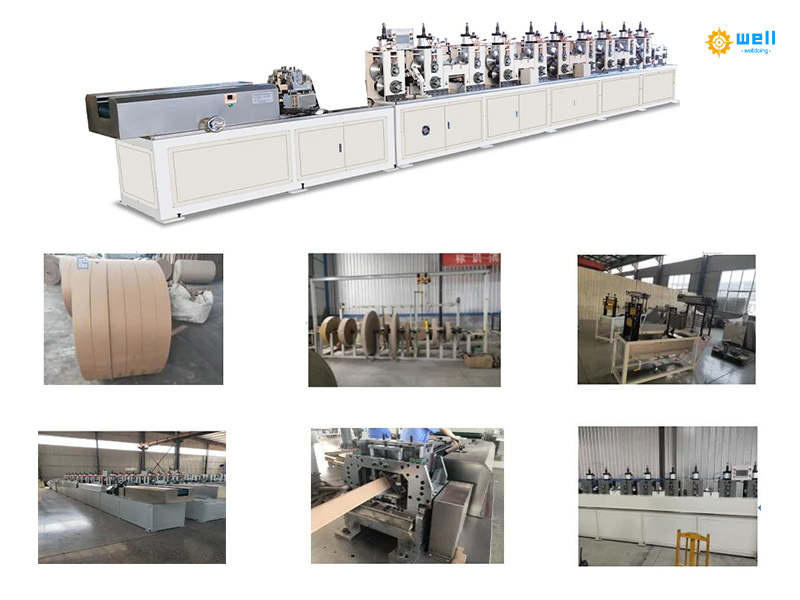
Even with a high-quality paper corner protector machine , you still need simple routine maintenance habits to keep glue coating stable. Clean the glue circulation filter and applicator rollers on a fixed schedule to stop dried glue buildup. Select adhesive viscosity matched to your line speed and paper type; high-speed lines need lower-viscosity glue for smooth transfer, while slower heavy-duty runs can use higher-viscosity formulations. Keep workshop humidity within a stable range, because extreme dryness or dampness alters how kraft paper absorbs glue. Check unwinding brakes and dancer rollers weekly to prevent hidden tension drift. Pairing good machine design with disciplined maintenance keeps glue coating consistent month after month.
For packaging converters shopping for new equipment, evaluating the glue system should rank higher than peak advertised speed when comparing paper edge protector machine options. A fast machine with unstable glue coating only produces high volumes of inconsistent angle boards. A properly engineered paper edge protector machine with closed-loop glue circulation, constant temperature control, synchronized tension and pressing delivers reliable, repeatable angle board quality at sustainable speeds. It turns glue coating from your biggest quality headache into your most reliable production advantage.
Consistent angle board quality starts the moment adhesive touches kraft paper. When your paper edge protector machine holds glue coating stable across every meter of production, you ship uniform, high-performance edge protectors, reduce costs, and build trust with pallet and cargo packaging customers worldwide. Investing in glue-coating stability is not just a machine upgrade — it is the foundation of profitable, dependable angle board manufacturing.
Email:cartonmachine.tomwang@aliyun.com
Phone/Wechat/Whatsapp:+86 133 0307 8975