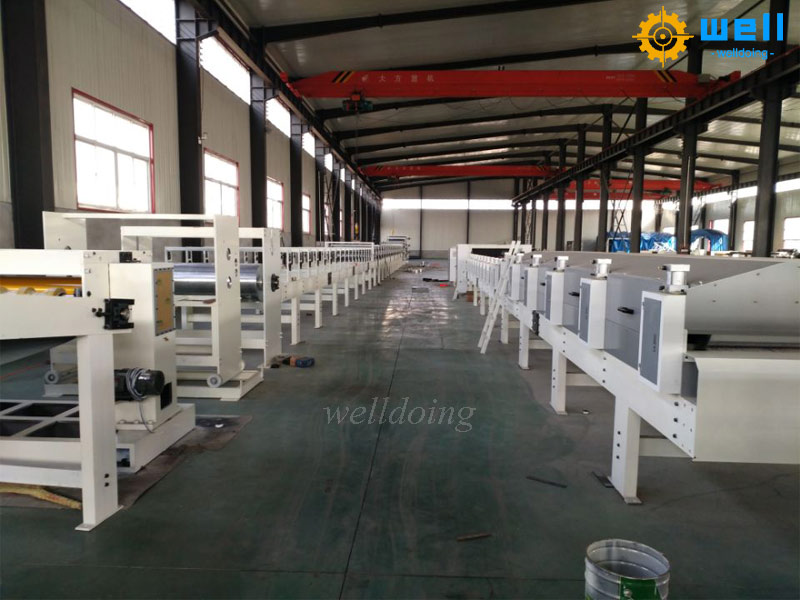
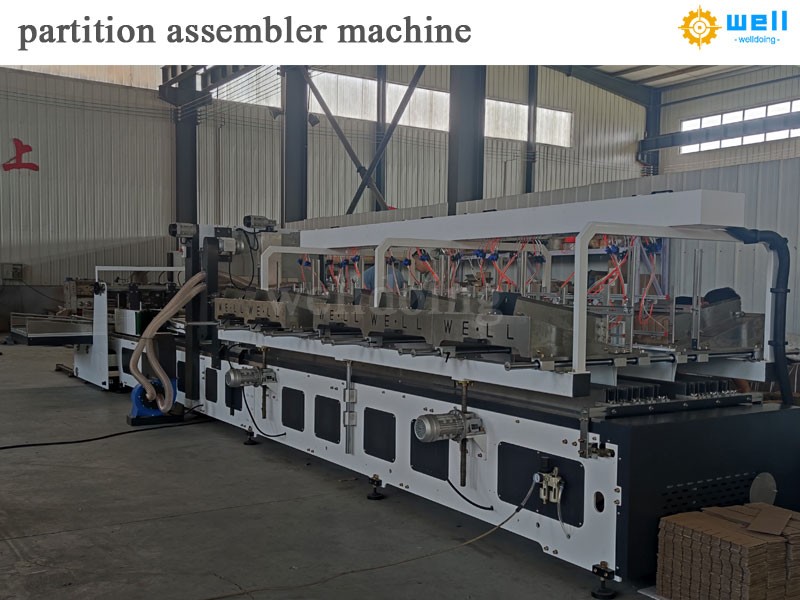
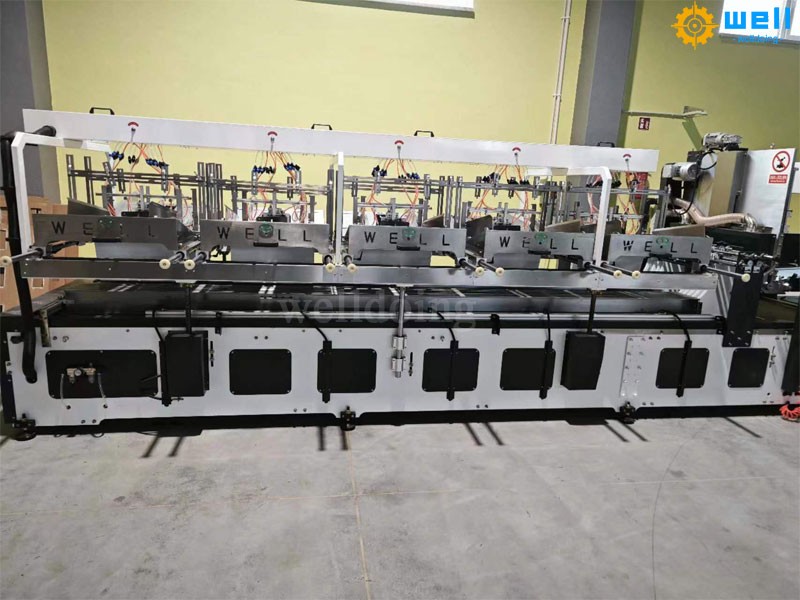
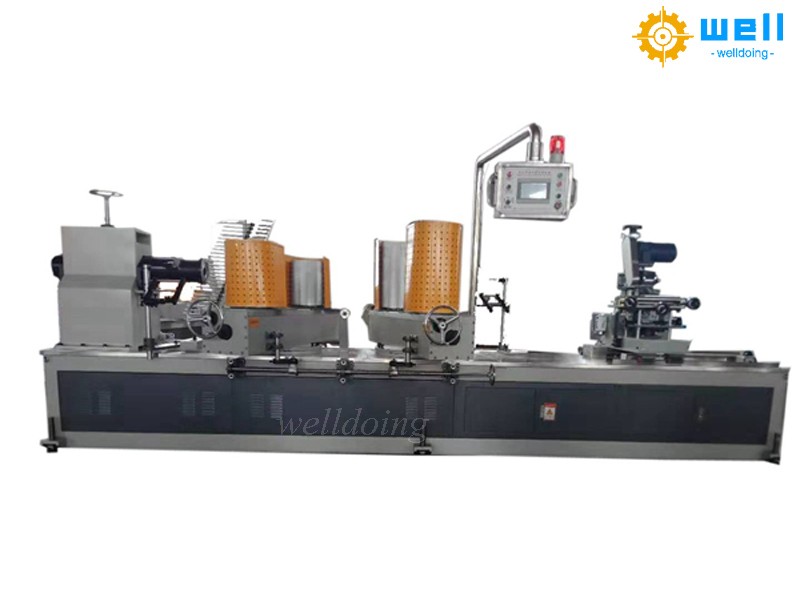
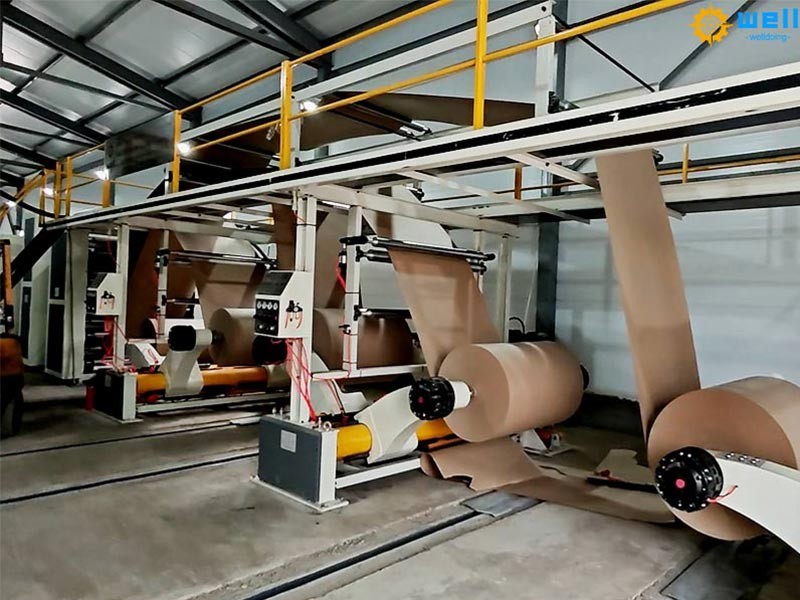
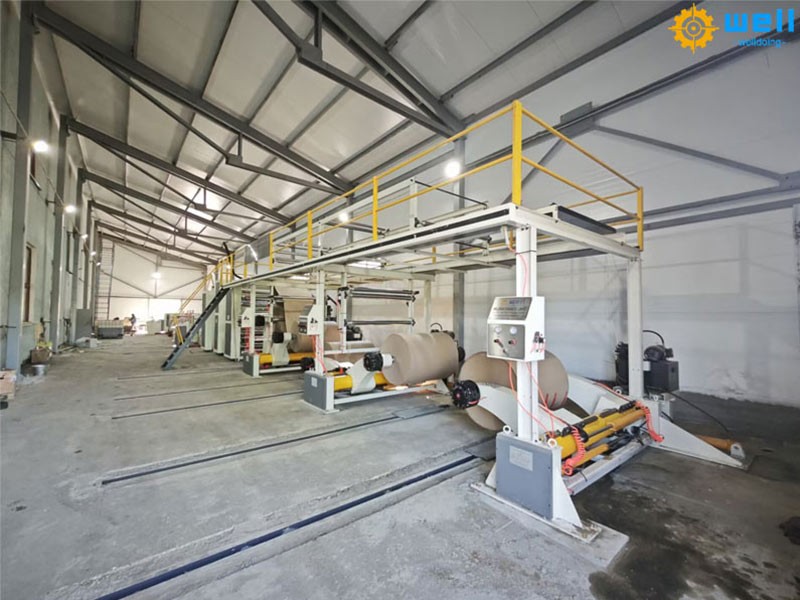
The operation of the Automatic hardboard production line usually refers to the operational process of the corrugated hardboard production line (referred to as the "corrugated line"). This production line is a highly automated system, mainly divided into two main process sections: wet end (forming and bonding) and dry end (cutting and stacking). The following are the core operational points based on industry standards and the latest technical information:
Core operating process of hardboard production line
Preparation before startup
Check the equipment status: Conduct a comprehensive inspection of the circuit, air pipe, and steam valve for leaks, and ensure that high-temperature lubricating grease has been added to each lubrication point to ensure that there is no looseness, wear, or abnormal noise.
twelve
Verify production instructions: Confirm the number of layers (such as three layers, five layers), rib type (such as A rib, B rib), width, length and other parameters of the cardboard according to the production notice, and input them into the computer control system.
Installation of base paper: Install the roll of base paper correctly on the shaftless paper holder, with the surface facing up (face paper, inner paper) or freely (tile paper), and adjust the tension to the appropriate state.
one
Preheating system: Open the steam valve to preheat the rollers of the preheater, single-sided corrugated machine, and double-sided machine. After the steam pressure rises to the specified value (such as 8kPa and the temperature reaches 160 ℃ or above), enter the next stage.
one
Wet end operation (forming and bonding)
Single sided corrugated machine: Start the main motor, slowly accelerate, and feed the corrugated paper into the space between the tile roller and the pressure roller to form it. At the same time, apply glue to form single-sided corrugated cardboard.
one
Paper feeding bridge: Thread the single-sided cardboard into the paper guide roller in sequence, feed it into the triple preheater, adjust the width and position of the paper gripper, and ensure that the cardboard direction does not deviate.
one
Double sided machine (veneer): Install the surface paper in place, composite it with the single-sided cardboard at the glue roller, and shape it at high temperature through a dryer. It is necessary to monitor the amount of glue and ensure that the glue evenly covers the ridge of the tile and does not flow into the tile groove.
one
Cadre operation (cutting and organizing)
Longitudinal cutting and indentation: Adjust the position of the longitudinal cutting blade according to the order size, and perform longitudinal cutting and creasing on the continuous cardboard. Ensure that there are no burrs or missing materials during operation.
one
Cross cutting: Cut the continuous cardboard according to the set length, and verify the data with the computer control system to ensure accuracy.
one
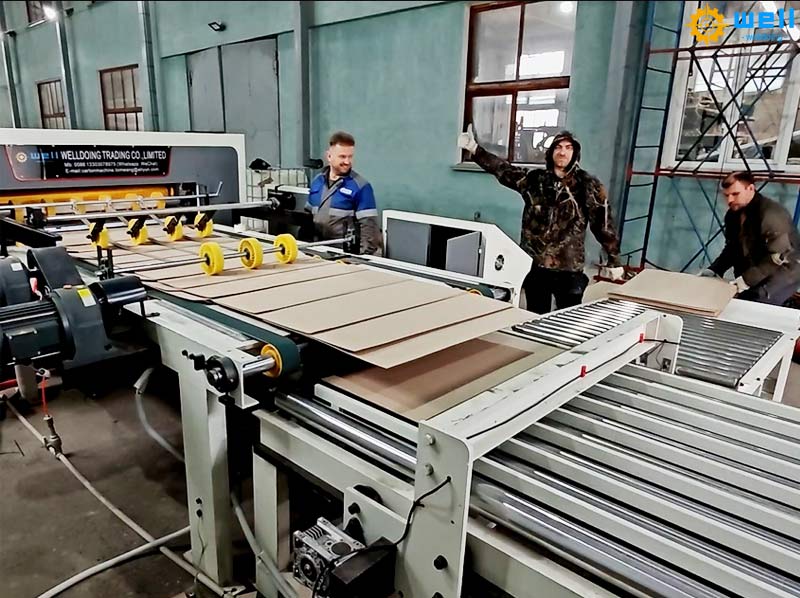
Stacking: The hardboard is neatly stacked by a stacking machine, usually in bundles of 10 or 50 sheets, and stacked in reverse to prevent deformation. Timely count the quantity and verify with the control room.
one
Shutdown and maintenance
Normal shutdown: First reduce the vehicle speed to low speed, close the rubber valve, heat source, and steam valve, clean the glue residue and paper scraps on the coating roller, tile roller, and conveyor belt, and turn off the power after the equipment cools down.
one
Daily maintenance: Implement the "Five Principles" (fixed point, fixed time, fixed person, fixed quantity, fixed quality), regularly inspect the steam, compressed air, and hydraulic systems, monitor motor current and bearing temperature, and prevent malfunctions.
nine
Safety regulations: It is strictly prohibited to clean, refuel or repair the equipment while it is in operation; When dealing with paper jams or abnormalities, it is necessary to first shut down or turn off the power; Do not dismantle safety protection devices.