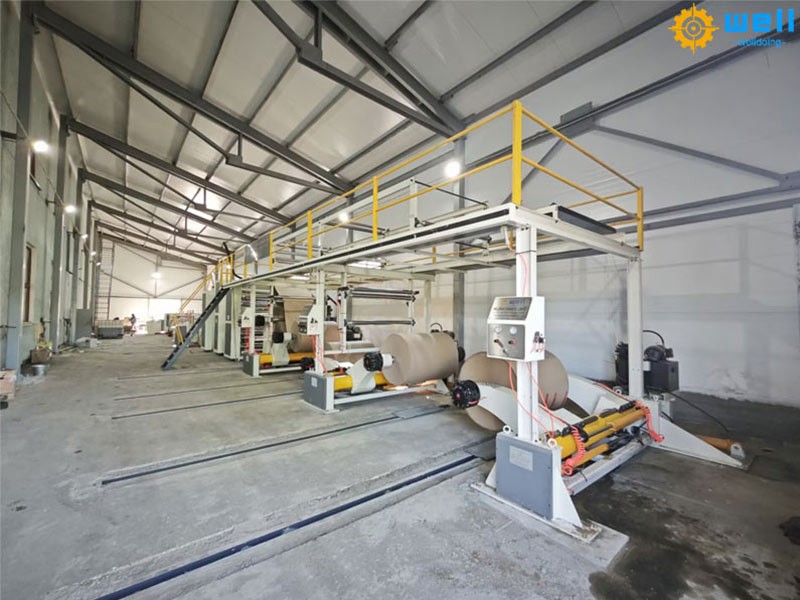
Carton grid inserts are interlocking cardboard dividers. They separate bottles. Glassware. Electronics. Cosmetic jars. Fragile goods inside shipping cartons. They block collision damage during transit. Manual labour handles slotting. Locking. Vertical and horizontal cardboard strip assembly. Work repeats nonstop. Output stays slow. Errors appear frequently. Labour budgets expand. Order fulfilment slows. Partition assembler machines solve this factory pain point.
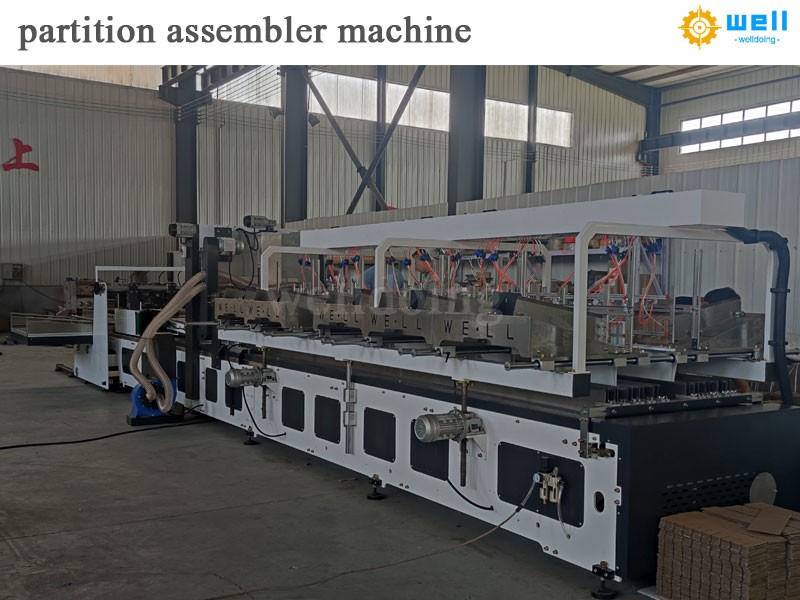
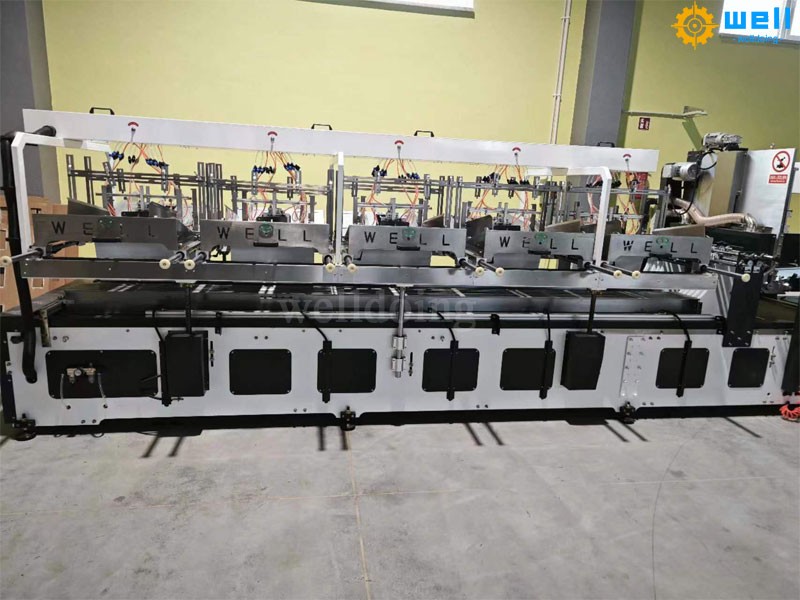
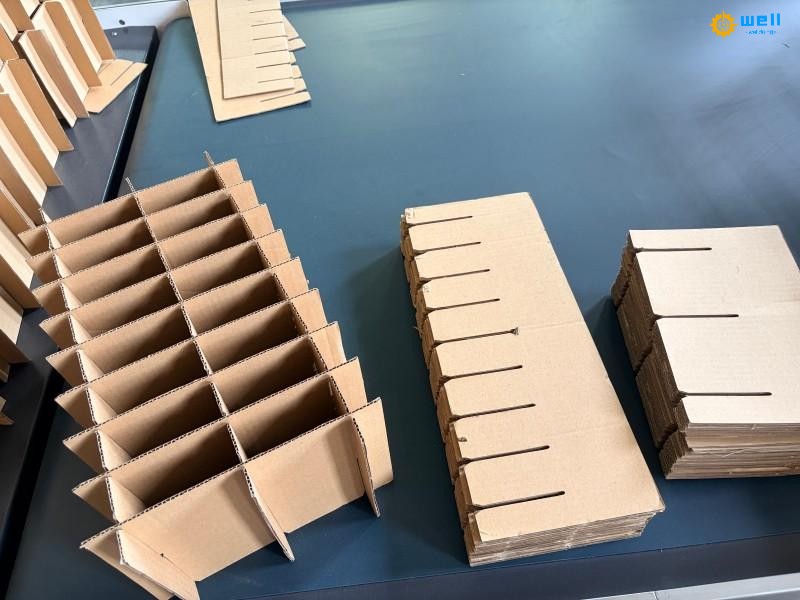
Partition assembler machine. Automatic carton partition assembler machine. Cardboard grid inserter. Divider assembler. Names for the same specialised corrugated post-processing equipment. The unit builds pre-slotted corrugated sheets. Chipboard sheets. Into finished carton grid inserts. High speed. Stable consistency. Human hands leave the interlocking workflow. Stacked die-cut partition blanks turn into neat multi-cell grids. Grids drop straight into shipping cases.
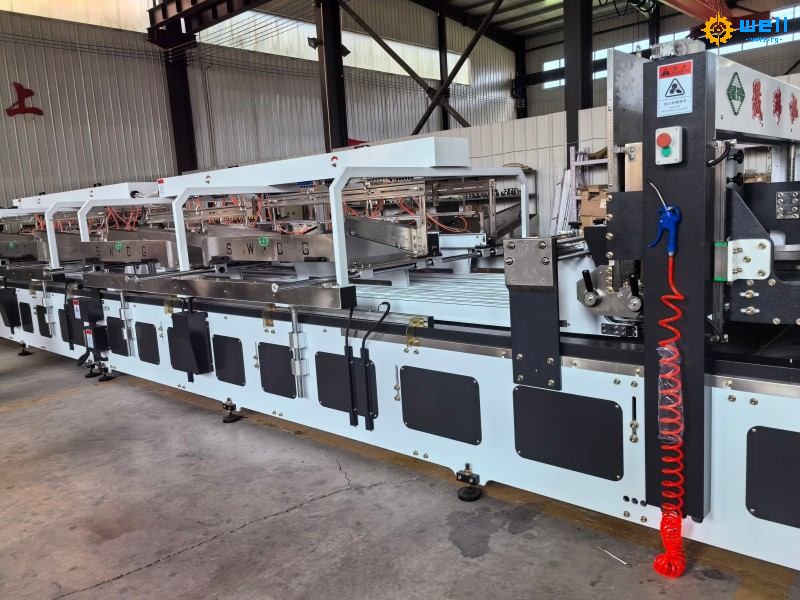
Partition slotters only cut slots on paperboard. Partition assemblers complete cross insertion. Forming. This stage carries the heaviest labour load in partition production. The machine becomes a core upgrade. Factories face labour shortages. Rising wage costs. Strict quality requirements from brand owners.
Carton grid insert production follows a clear workflow. Pre-slotted cardboard sheets feed the system. Corrugated boards run through die-cutting. Slotting. Matching notches form on horizontal strips. Vertical strips. Notches slide together. Lock tight. No glue. No staples.
Blank sheets load into separate feeding stations. Vertical station. Horizontal station. Vacuum suction feed system picks single sheets. Double feeding stops. Jams stop. Surface scratches on printed board stop. Servo motors manage feeding timing. Position. Horizontal sheet movement syncs with vertical sheet movement.
Cross insertion defines the core forming phase. Horizontal divider strips advance toward vertical strips. Calibrated speed. Notches slide into aligned positions. The machine guides every intersection. Grid matrix takes shape automatically. No guesswork. No uneven spacing. No loosely fitted cells. Loose grids break apart during packing.
Finished grid inserts travel along conveyor. Discharge section receives completed grids. Most models stack partitions neatly. Grids go directly into cartons. Or palletised delivery to downstream packing lines.
HMI touchscreen supports operator input. Grid dimensions. Cell counts. Running speed. Material thickness. Changeovers complete in minutes. 3×4 layouts. 4×6 layouts. 5×8 layouts. Custom grid layouts. No long downtime between orders.
Buyers mix up partition assemblers and partition slotters. Clear separation supports purchasing decisions. Partition slotter cuts slots on flat cardboard. Slotter outputs raw parts. Partition assembler takes slotted parts. Builds finished grid inserts.
Many production lines pair both machines. Slotter cuts blanks. Assembler receives blanks. Forms grids continuously. Small converters with existing die-cutting equipment choose standalone partition assemblers. Pre-slotted sheets feed directly. No extra slotting unit required.
Labour savings stand as the top commercial advantage. Manual partition assembly runs slow. One skilled worker produces dozens of grid sets per minute. Fatigue hits through shifts. Output drops. Quality drifts.
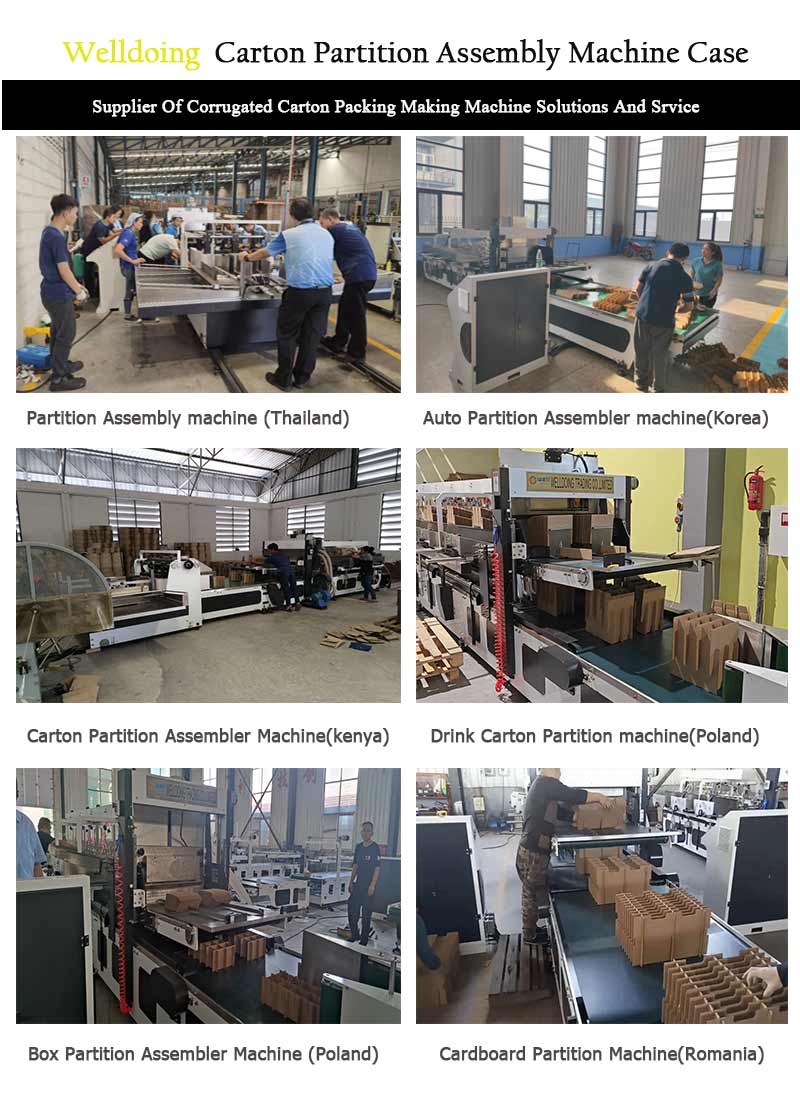
Modern servo-driven partition assembler machinery run 40 to 120 grid sets per minute. Output matches 5 to 8 full-time workers. Annual labour cost for partition production drops 35% to 50%. Staff shift to higher-value tasks. Quality inspection. Order scheduling. Machine maintenance. Labour shortage zones remove delivery delay risks.
Consistent quality builds trust with customers. Hand-assembled grid inserts carry common defects. Uneven cell sizes. Loose interlocks. Misaligned slots. Bent dividers. Variable rigidity. Grids fit loosely inside cartons. Items shift during shipping. Breakage rates climb. Customer complaints rise.
Partition assembler locks fixed positioning accuracy for every insertion. Every cell holds identical dimensions. Every joint locks securely. Every finished grid matches target carton size. Reject rates fall. Corrugated board waste falls. Rework hours fall. Beverage clients. Glassware clients. Electronics clients. Food brand clients track damage claims closely. Stable output strengthens supplier credibility.
Wide versatility opens many packaging applications. Single-wall corrugated board. Double-wall corrugated board. Solid chipboard. All work with this machine. Light-duty grids for cosmetics. Heavy-duty partitions for wine bottles. Jars. Ceramic products. Small compact grids for electronic components. Large-format dividers for fruit cartons. Beverage cartons.
Smooth integration with existing infrastructure. Carton box making lines. Case packers. Conveyor systems. New turnkey packaging plants accept the unit. Old factories support retrofitting. Batch production handles short-run custom orders. Mass high-volume jobs run side by side. Converters serve large brands. Local small businesses.
Modern partition assembler designs focus on stability. Low maintenance. Heavy welded steel frame cuts vibration at high speed. Protective safety covers. Sensor stops. Workplace accident risks reduce. Vacuum feeding system cleans easily. Service runs simple. Servo drives contain fewer wearing parts. Older cam-driven mechanical systems need more upkeep.
Operators skip advanced technical training. Graphical control panel stores preset recipes. Repeat orders recall with one touch. Reputable machines carry CE certification. 12-month warranties. Stable spare parts supply. Long-term downtime risk reduces.
Sustainability creates extra market appeal. Carton grid inserts stay glue-free. 100% recyclable corrugated packaging. Preferred eco substitute for plastic inserts. Foam cushioning. Moulded pulp. Automation cuts material waste from human error. Misassembly stops. Less scrap flows to landfill. Customers hit sustainability targets. Carbon reduction targets. Brands replace plastic inner packaging with corrugated grid inserts. Reliable partition assemblers capture this fast-growing market segment.
Buyers check key specifications before investment. Confirm working width range. Match common carton sizes. Verify speed range. Stable operation at maximum speed matters. Demo-only speed numbers carry no value. Check board grade compatibility. Low-cost units struggle with thin chipboard. Warped recycled corrugated sheets. Confirm changeover speed between grid patterns. Slow changeovers kill efficiency for mixed order schedules. Review after-sales support. Remote troubleshooting. Local technician service. Multi-shift operations depend on fast support.
Corrugated converters. Packaging manufacturers. Partition assembler machines are no luxury upgrade. They act as strategic tools. The tools fix persistent box finishing bottlenecks.
Carton grid insert production transforms. Slow workflow. Variable workflow. Labour-heavy manual workflow. Turns into streamlined workflow. Repeatable automated workflow.
Cost reduction. Shorter lead times. Lower product damage claims. More sustainable corrugated packaging orders. The machine delivers measurable bottom-line gains.
Factories still building carton grid inserts by hand. Evaluate Corrugated box partition assembly machine capacity upgrades. The machine does more than join cardboard strips. It delivers automation solutions. Packaging businesses scale reliably. Competitive global packaging markets reward stable, efficient suppliers.
Email:cartonmachine.tomwang@aliyun.com
Phone/Wechat/Whatsapp:+86 133 0307 8975