H1:Automatic flexo printer slotter die cutter machine: From Flat Board to Finished Box in One Pass
Every corrugated box starts as a flat sheet of board. The question is how fast, how precisely, and at what cost you can turn that sheet into a printed, cut, ready-to-fold carton. For modern box plants, the answer is the automatic printing die cutting slotting machine — a single machine that combines flexographic printing, creasing, slotting, and rotary die cutting in one continuous pass. One operator loads the board; seconds later, a finished, brand-ready box blank comes out the other end. In an industry where e-commerce demand never slows and skilled labor gets harder to find, that one-pass capability has become the difference between merely surviving and truly scaling.
H2: What Is an Automatic Printing Die Cutting Slotting Machine?
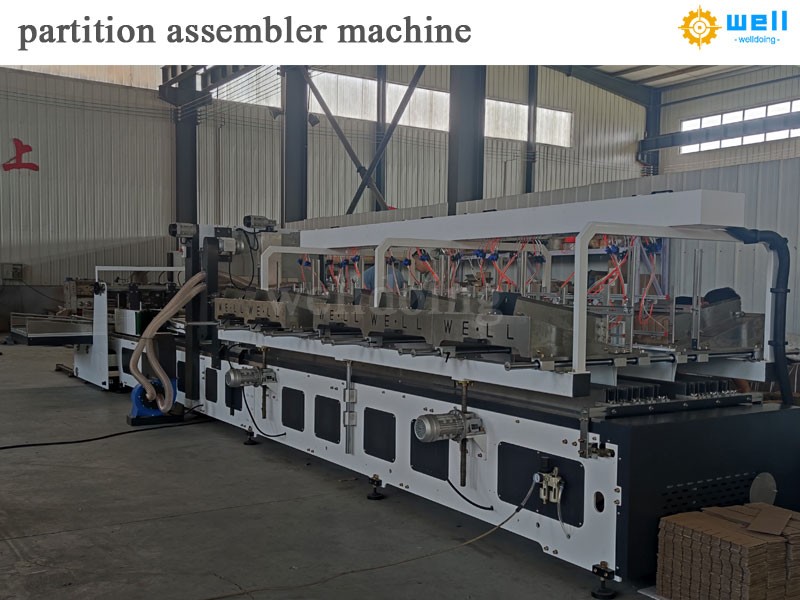
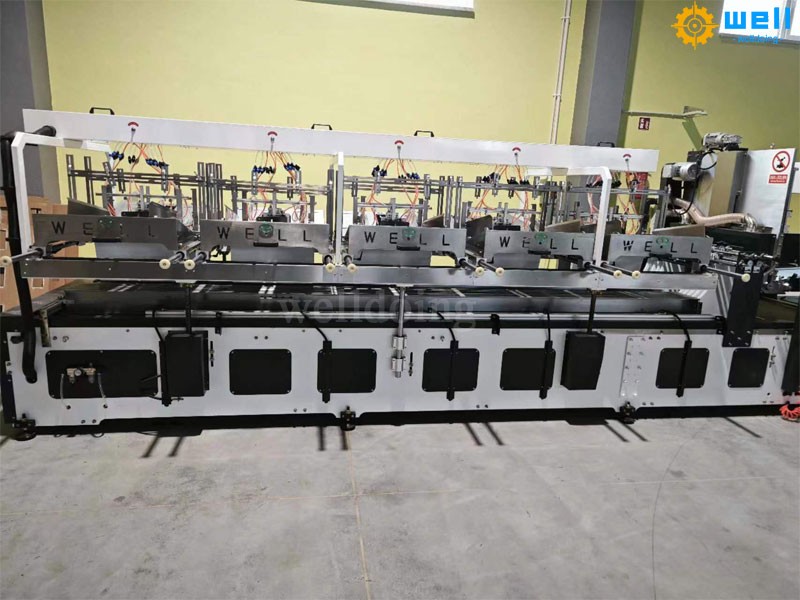
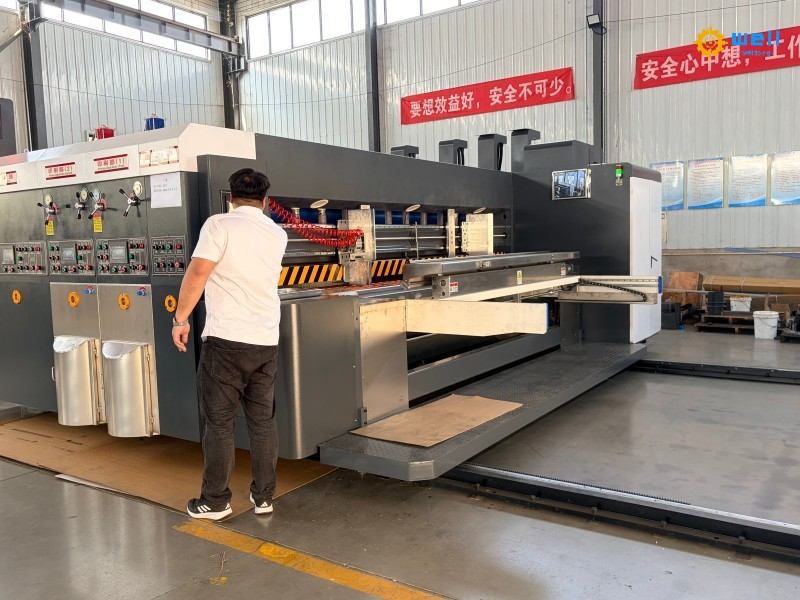
An automatic printing die cutting slotting machine — also called an automatic flexo printing slotting die cutting machine or a corrugated carton box making machine — integrates four traditional processes into one automatic line: flexographic printing, creasing and scoring, slotting, and die cutting. Traditional box production needed separate machines and multiple operators, with boards handled, repositioned, and stacked between every step. This machine removes those hand-offs entirely: sheets are fed automatically, processed inline, and delivered in a controlled stack, ready for folding and gluing.
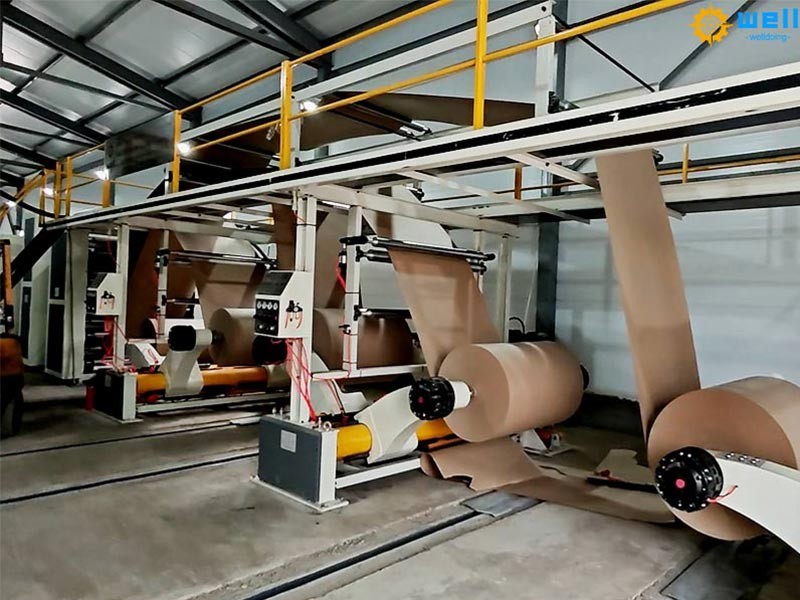
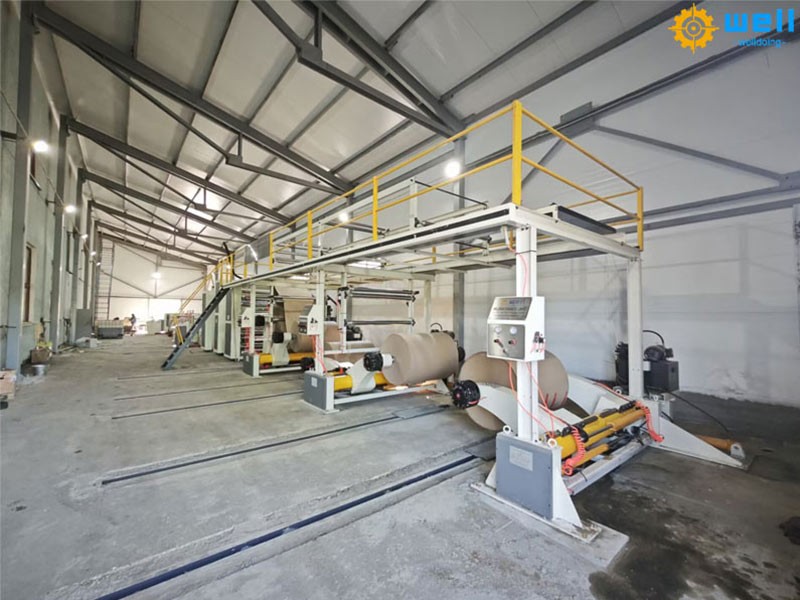
In a complete corrugated box production line, this machine sits between the corrugator and the folder gluer. It is the stage where plain board becomes a finished, printable, cut-to-shape blank — and for many plants, it is also the stage that decides overall line speed and quality.
H2: How It Works in One Continuous Pass
Understanding what happens inside the line makes it easier to see why an automatic flexo printer slotter die cutter outperforms standalone equipment. The machine runs five steps in one uninterrupted flow:
Vacuum feeding. A vacuum and adsorption feeder pulls sheets in one at a time. Front-edge alignment keeps even slightly warped board feeding consistently, order after order.
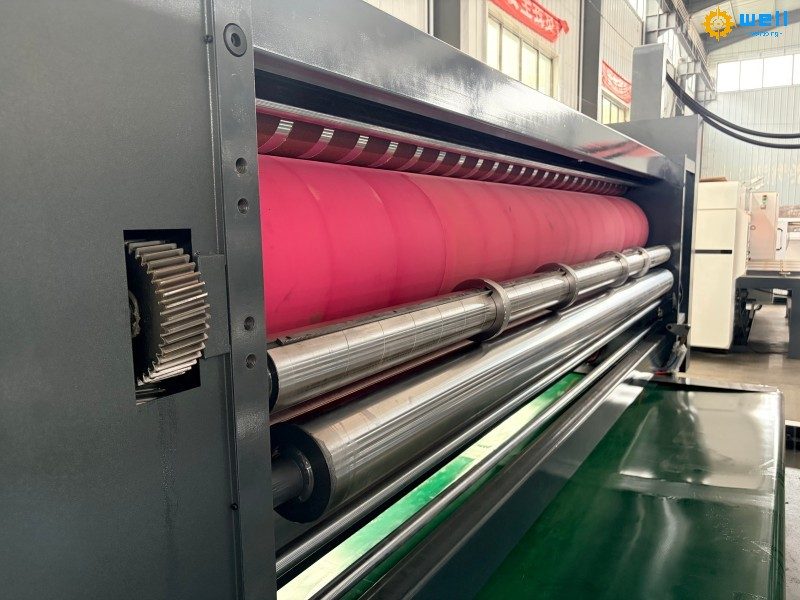
Flexo printing. Two to four or more printing units apply brand graphics, barcodes, and handling warnings directly onto the board, with accurate registration maintained across every sheet.
Creasing and slotting. An NC-controlled creaser and slotter positions every fold line and slot to exact dimensions; new settings are entered on the touchscreen in seconds.
Rotary die cutting. Rotary dies cut hand holes, ventilation openings, and custom shapes at full line speed, without slowing the flow.
Stacked delivery. Finished blanks are counted and stacked automatically, ready for the next process.
PLC and servo control tie every station together. Order changeover, which once meant an hour of manual setup, is now a matter of typing new dimensions into the control panel and letting the machine adjust itself. Print quality is consistent from the first sheet of a run to the last, and inspection is built into the process instead of bolted on afterwards.
H2: Why Box Plants Are Upgrading to an Automatic Line
E-commerce has rewritten packaging economics. Orders arrive in smaller, more frequent batches, demand more customization, and must still ship on time. Meanwhile, labor is scarce and factory space is expensive. The automatic carton box making machine answers all three pressures at once. For many plants, the decision comes down to five measurable advantages:
Higher output per floor. One Leading edge feeder printer die cutter slotter machinereplaces three or four standalone machines, freeing floor space and cutting handling time.
Lower labor cost. One or two operators run the whole line, instead of a team for each process.
Consistent quality. Computer-controlled registration and cutting repeatability remove the human error that appears between batches.
Profitable short runs. Fast changeover makes small, customized orders economical — a growing segment in modern packaging.
Less waste. Accurate registration and cutting mean fewer rejected blanks and less board wasted.
Sustainability adds a further push: precisely cut, right-sized boxes use less material and take up less shipping volume. What was once a productivity upgrade is now also a competitive and environmental one.
H2: Where the Machine Pays Off: Real Applications
The corrugated box printing machine earns its place wherever printing and precise cutting happen together:
E-commerce and logistics shipping cartons, produced at high speed in large volumes.
Pizza boxes and food packaging with printed branding and ventilation holes.
Retail-ready boxes with die-cut handles for easy display and carrying.
Electronics, beverage, and furniture packaging that needs clean openings for product fit and protection.
Agricultural and heavy-duty packaging where strength and accurate sizing matter most.
Any order that combines branding with precision cutting benefits — which is why this machine now anchors production lines in corrugated box factories around the world, from small job shops to high-volume plants.
H2: How to Choose the Right Automatic Printing Die Cutting Slotting Machine
Choosing the right configuration comes down to five checks:
Maximum sheet size. Match the machine to your largest order, with a little room for growth.
Number of printing units. Two units cover most needs; four or more suit consumer brands that demand full-color packaging.
Rotary or flatbed die cutting. Rotary delivers speed and volume; flatbed handles thicker board and heavier cutting force.
Control and changeover speed. Look for PLC control, a touchscreen, and NC quick-set slotting so order changes stay fast.
Build quality and support. Check the frame, rollers, and the manufacturer's spare-parts availability and service response.
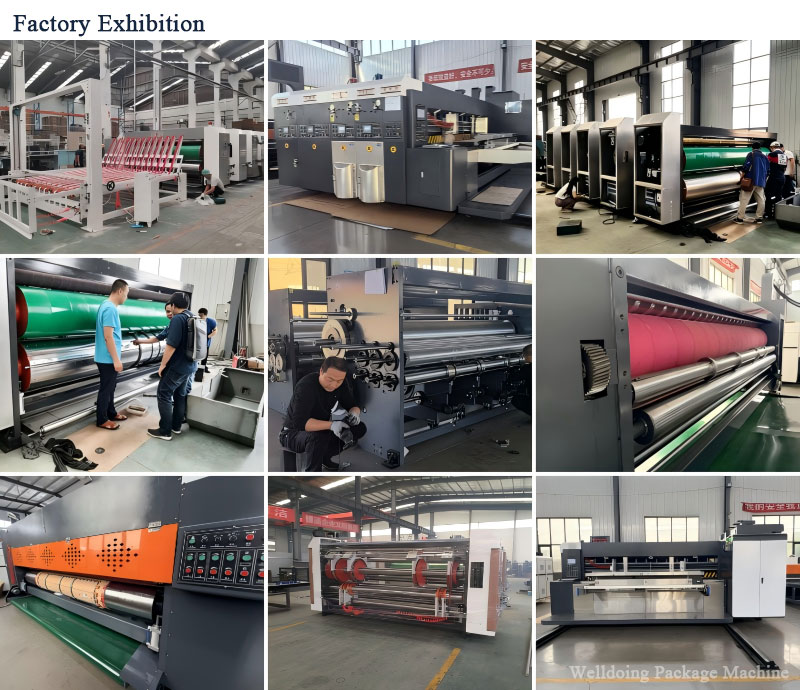
Send your order mix and board samples to a reputable manufacturer; a good supplier recommends the right configuration instead of simply selling you the biggest machine. Ask for reference plants in your region, and verify claimed speeds against your own board grades before signing.
H2: Frequently Asked Questions
Q: What is the difference between an High speed flexo printing die cutting slotting machine and a flexo folder gluer?A: A printing slotter die cutter delivers printed, creased, slotted, and cut blanks. A flexo folder gluer goes further, folding and gluing those blanks into flat, ready-to-open cartons. Many plants run both: the printer slotter for cutting, the folder gluer for finishing.
Q: How many colors can the machine print?A: Typical configurations range from two to six flexographic printing units, depending on the model and order requirements. Higher color counts are used for branded consumer packaging.
Q: Can it produce custom-shaped boxes?A: Yes. Rotary die cutting cuts custom shapes, hand holes, and openings at full line speed, and quick die changes make short custom runs practical.
H2: Get a Quote for Your Production Line
Ready to see what a one-pass automatic printing die cutting slotting machine can do for your output? Contact [Your Company] with your box sizes, monthly volume, and printing requirements. We will recommend the right machine configuration, share verified specifications, and arrange a test run with your own board samples.
Email:cartonmachine.tomwang@aliyun.com
Phone/Wechat/Whatsapp:+86 133 0307 8975