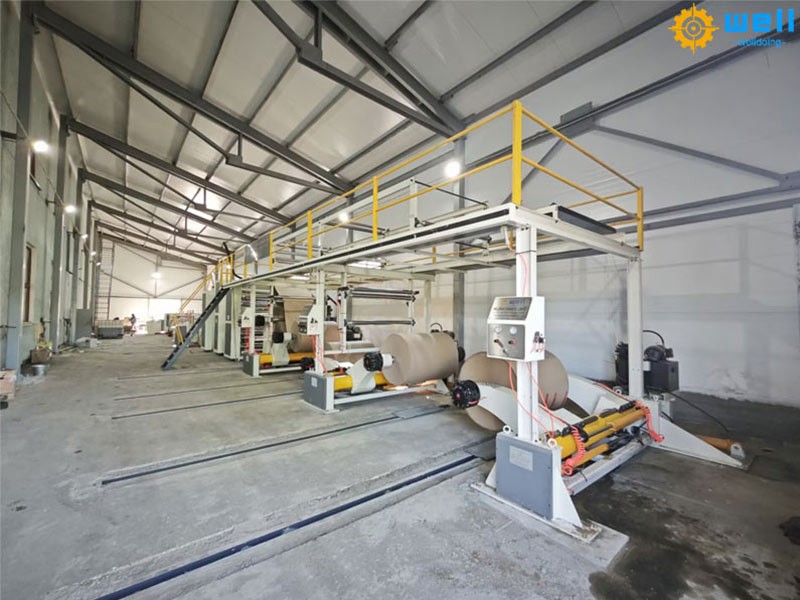
Printing, flexo packaging, label and ink manufacturing plants face one stubborn environmental headache: ink wastewater. Unlike ordinary sewage, ink sewage carries stable pigment molecules, acrylic binders, dispersed resin and residual solvents, which push COD sharply high and leave persistent dark colour that refuses to clear with simple settling tanks or standard aerobic bioreactors. If you have struggled with unstable decolorization, repeated COD exceedance, heavy sludge output and failing local discharge audits, the Welldoing Ink waste water treatment machine is engineered to rewrite how your factory handles hard-to-treat ink effluent.
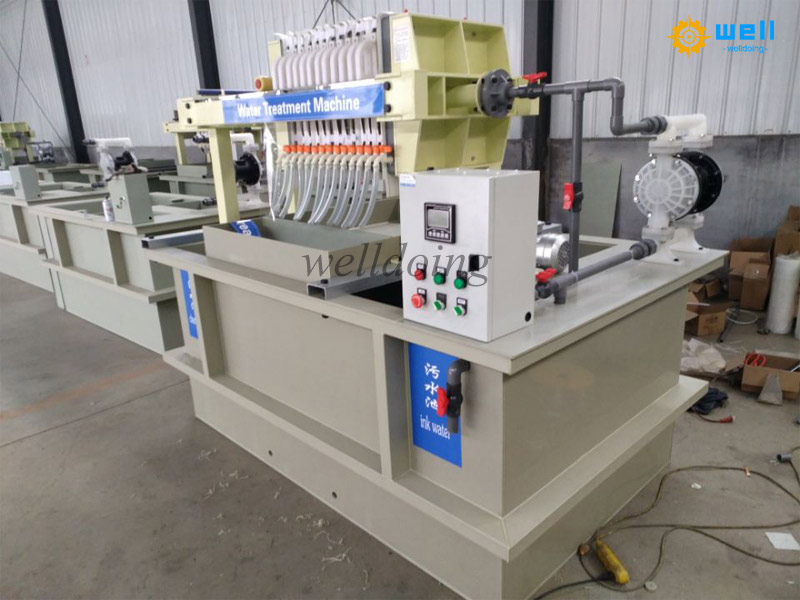
Traditional ink wastewater treatment setups rely on single coagulation or basic biological tanks. They often work fine on lightly polluted wash water but collapse when hitting concentrated ink cleaning sewage. The low biodegradability of ink organics means microbes cannot break down macromolecular colorants efficiently. Operators commonly see clear-looking water after chemical dosing turn coloured again after storage, and COD bounces above discharge limits randomly. Extra chemical purchases, frequent sludge disposal and fines for non-compliance eat into profit year after year. Many plant managers also want treated water reusable for roller washing, tank rinsing and site cleaning, yet old systems cannot deliver stable reuse water quality. This is where our upgraded ink wastewater treatment solution stands apart from generic sewage equipment on the market.
Welldoing’s ink wastewater treatment system is a modular hybrid process built specifically for high COD ink sewage and strong chroma removal. We rebalance the whole workflow: targeted advanced oxidation pretreatment breaks refractory organic chains first, controlled coagulation-flocculation traps pigment and colloid particles, high-efficiency air flotation separates ink sludge rapidly, followed by optimized biochemical degradation and fine filtration polishing. The sequence is not a random stack of standard units. Every reaction zone, mixing chamber and dosing control module is calibrated for ink’s unique pollutant properties. This design avoids the common flaw of many competitors: forcing ink wastewater directly into bioreactors and wasting energy on substances bacteria cannot decompose.
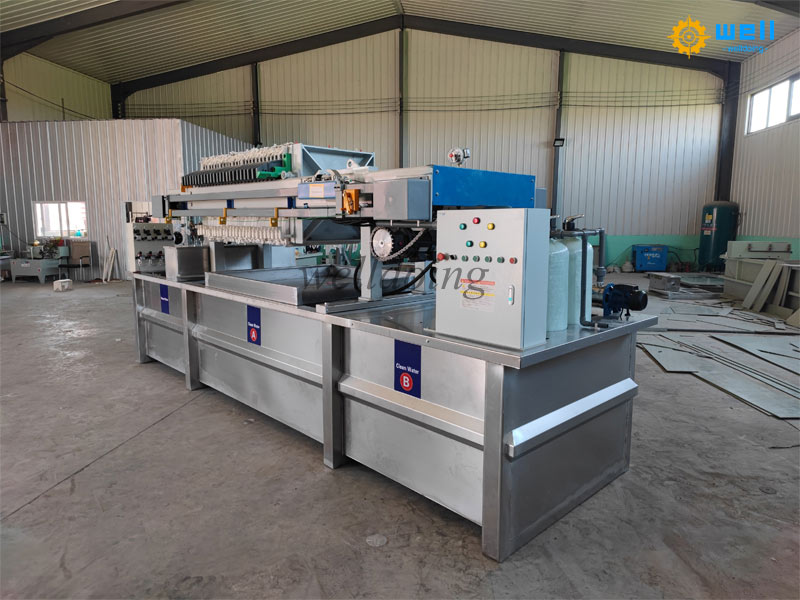
For operators searching reliable ink sewage treatment machine, stable performance data matters most. Our system delivers consistent colour removal above 98% for most water-based ink, flexo ink and solvent ink rinse sewage, and achieves steady COD reduction for high-strength influent. It handles fluctuating load perfectly, which is critical for printing workshops: wastewater flow and pollutant concentration surge heavily after daily machine washing and colour change cleaning cycles. Built-in automatic pH adjustment and proportional chemical dosing reduce manual intervention, prevent over-dosing coagulants and cut sludge generation compared with conventional flocculation-only lines. Less sludge lowers your hazardous waste transport and disposal cost, a major hidden expense for printing converters.
One key upgrade of our Welldoing ink wastewater treatment system is flexible configuration. We offer skid-mounted compact versions for small and mid-size printing factories with limited floor space, and expandable containerized or civil construction schemes for large packaging groups and ink production facilities. The whole unit can be arranged for two end goals: standard compliant discharge to municipal sewer networks, or further polishing for on-site water recycling. When paired with optional ultrafiltration units, treated water can circulate back to production cleaning loops, cutting freshwater intake and helping factories hit sustainability targets requested by brand buyers. This reuse capability becomes a strong advantage for export-oriented packaging printers who must show green production records for customer audits.
We designed the operation logic around your maintenance team, not environmental PhDs. The control panel visualizes real-time COD trend, colour status, tank liquid level, chemical consumption and running alarms. Core components adopt anti-corrosion structure adapted to acidic and alkaline ink sewage, extending service life and reducing replacement frequency. Quick-open inspection ports make regular cleaning simple. Unlike overcomplicated oxidation devices that demand highly trained technicians, our system balances advanced pollutant decomposition with user-friendly daily operation. Remote monitoring option is available, so your engineering team can check running status and receive fault alerts off-site.
Many suppliers sell wastewater treatment machines as universal products and just paste “ink wastewater treatment” on the catalogue. They copy municipal sewage layouts and ignore the core trait of ink sewage: colour comes from stable pigment molecules, not ordinary soluble organics. Welldoing focuses on this exact niche. Our engineering team accumulates dozens of field cases across flexo printing, carton packaging, label printing and ink formulation factories. Before manufacturing, we collect your wastewater sample, run lab decolorization and COD degradation tests, tune the process parameters and customize the equipment size and dosing scheme. You will not receive an over-sized, energy-wasting standard unit that cannot match your actual ink sewage load.
Compliance pressure keeps rising globally. Environmental inspectors tighten limits on industrial colour and COD discharge, while brand owners push their supply chain to reduce water footprint. Investing in a purpose-built ink waste water treatment equipment is no longer optional risk control; it turns environmental compliance into an operational advantage. Stable effluent removes sudden production shutdown risks from failed water tests. Water reuse reduces utility bills. Cleaner discharge records support your B2B tender and customer qualification. For printing and packaging exporters, this green hardware directly strengthens your competitiveness in international markets.
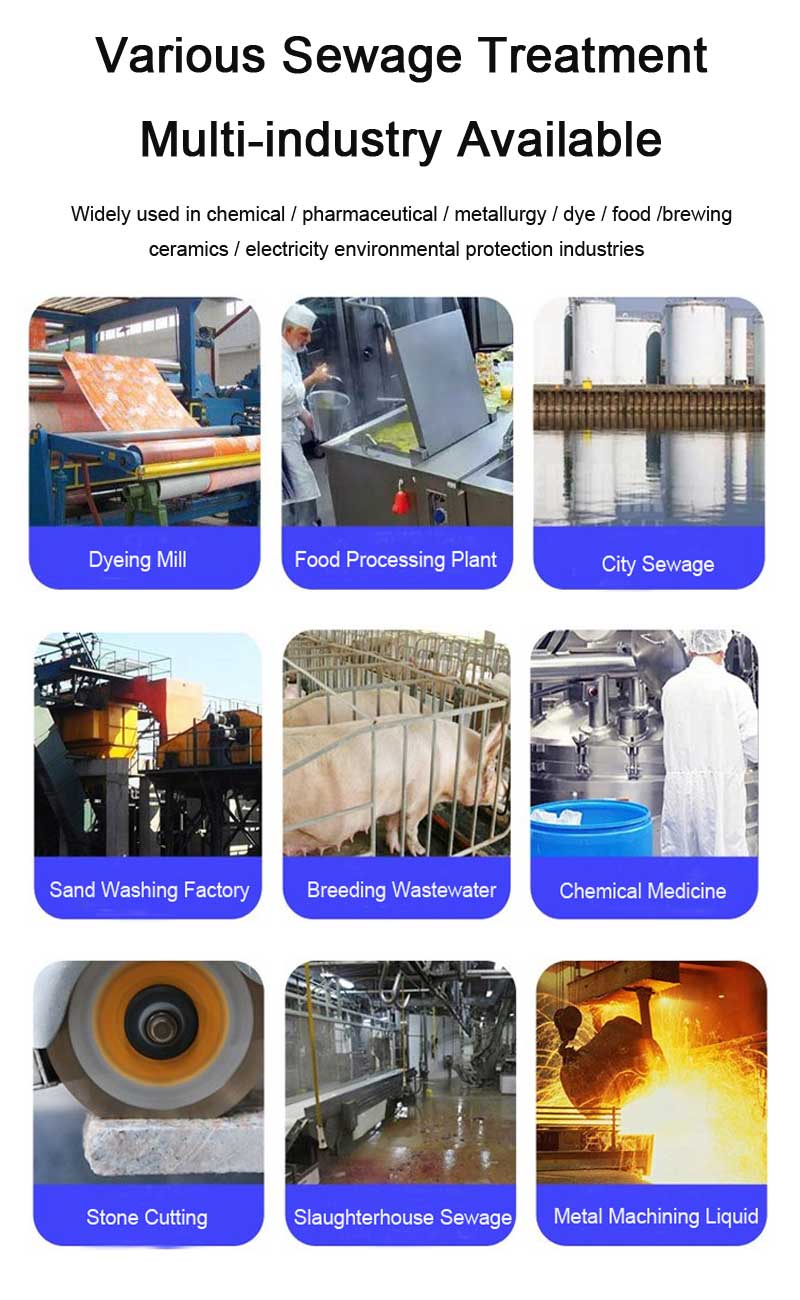
Welldoing provides full lifecycle support together with the ink wastewater treatment system: process drawing, installation guidance, commissioning, staff operation training, spare parts supply and periodic after-sales inspection. We do not disappear after shipment. Our environmental engineers stay connected to adjust parameters when your ink formula changes or production capacity expands. As your printing business evolves, the modular structure allows you to add advanced filtration or oxidation sections without rebuilding the whole station.
If you are tired of inconsistent decolorization, unstable COD readings, expensive chemical consumption and unpredictable sewage fines, it is time to replace makeshift treatment methods with a system born for ink sewage. The Welldoing ink wastewater treatment system targets high COD and stubborn colour at the source, combining robust treatment efficiency, low operating cost, simple maintenance and water reuse potential. Stop treating ink wastewater like ordinary sewage. Get a customized solution that keeps your printing workshop compliant, sustainable and profitable. Contact Welldoing today to share your ink wastewater quality data and receive a tailored proposal for your plant.
Email:cartonmachine.tomwang@aliyun.com
Phone/Wechat/Whatsapp:+86 133 0307 8975