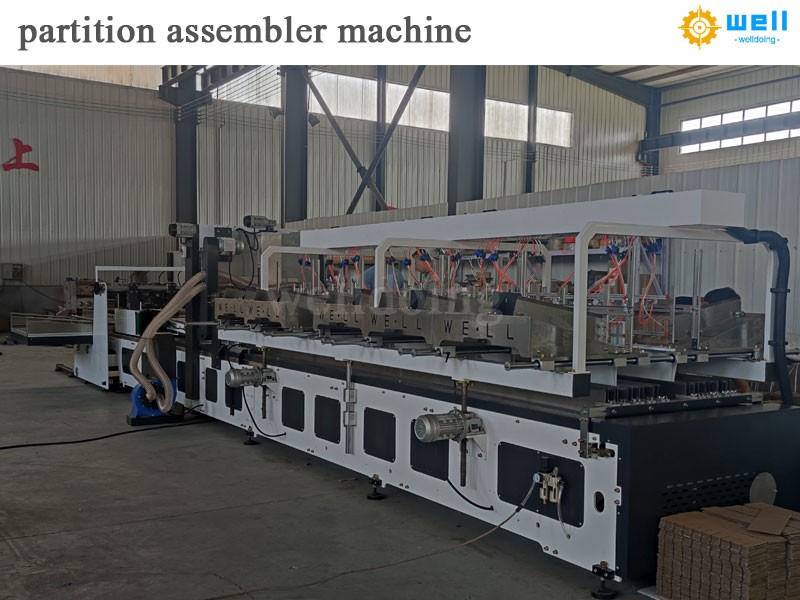
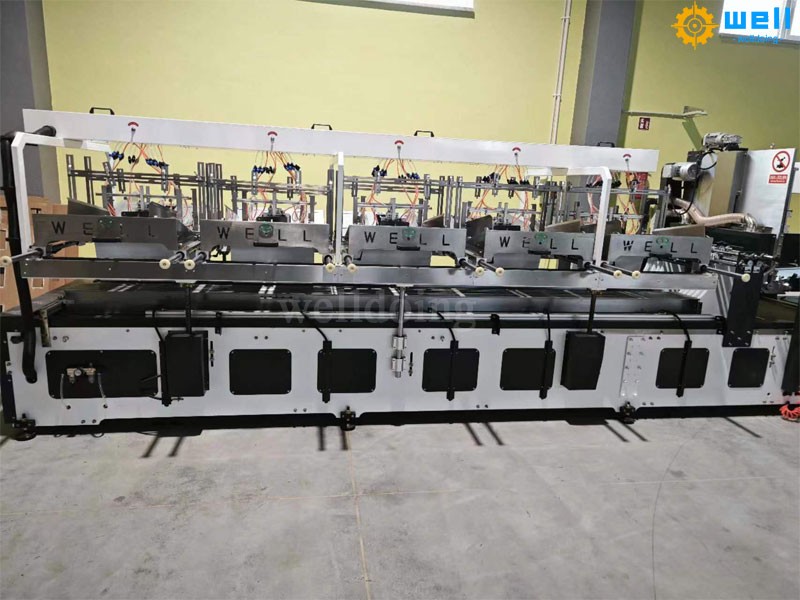
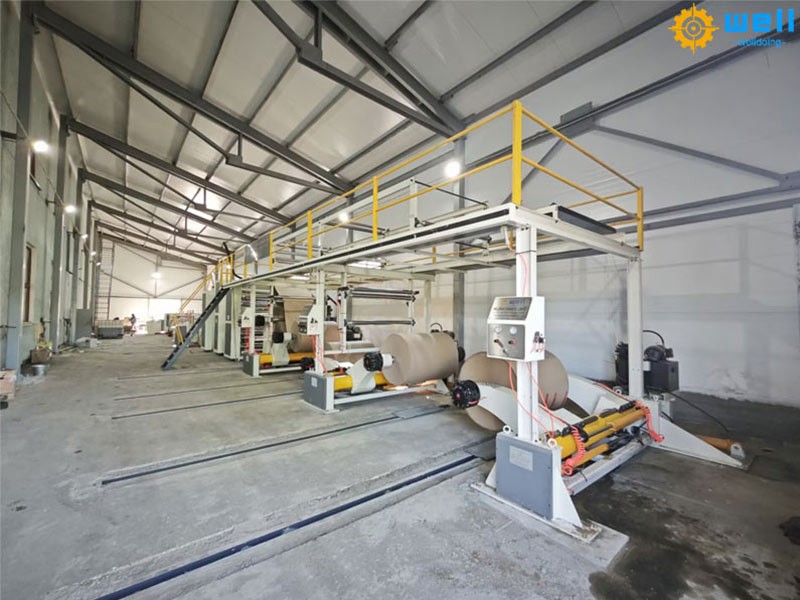
Beverage glass bottle producers and packagers are turning to the advanced partition assembler machine to solve long-standing bottlenecks in divider packaging, lifting line throughput, cutting glass breakage, and stabilizing consistent carton partition quality for beer, sparkling drinks, juice, mineral water and premium glass-bottled beverages. As consumer demand for glass packaging rebounds across global markets, the traditional manual assembly of corrugated dividers has become one of the weakest links in end-of-line packaging. The modern partition assembler machine automates cross interlocking of vertical and horizontal cardboard strips, producing ready-to-use grid dividers tailored for glass bottle cartons, helping beverage plants match high filling speeds with reliable protective packaging output.
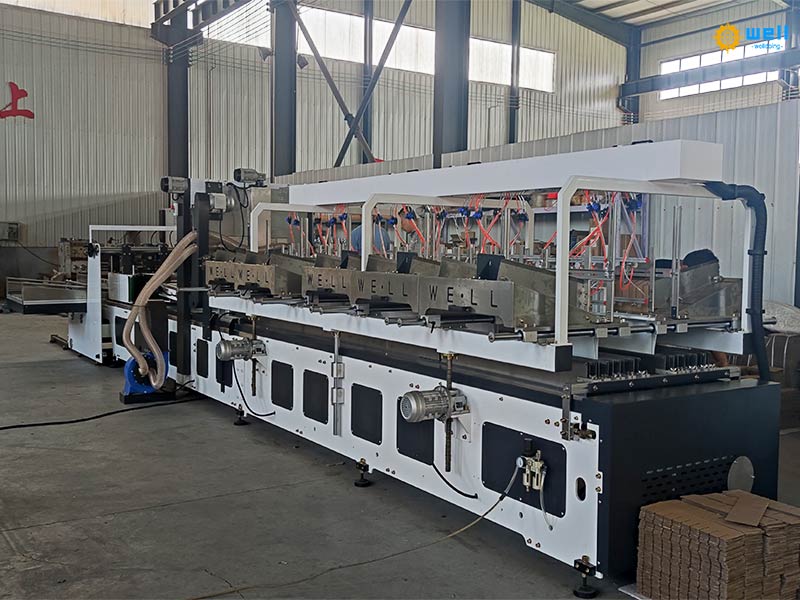
Glass beverage bottles carry unique packaging challenges. Unlike plastic containers, glass is fragile, prone to chipping and cracking during transit when bottles rub or collide inside shipping cases. Well-fitted corrugated partitions separate each bottle, absorb shock and avoid direct contact. For decades, most mid-sized beverage factories relied on workers to slot and assemble these dividers by hand. Manual partition assembly is slow, inconsistent, and heavily dependent on skilled labor. Operators fatigue after long shifts, leading to loose grids, misaligned slots, crooked divider cells, and frequent rejects. Labor shortages and rising payroll costs in North America, Europe, Southeast Asia and Oceania further make manual divider production unsustainable for scaling beverage glass bottle operations. Many bottling lines can run hundreds of filled glass bottles per minute, yet the partition preparation station cannot keep pace, forcing the whole line to pause and wait for finished dividers. This mismatch creates idle time, lowers overall equipment effectiveness and wastes the investment made in high-speed filling, capping and labelling equipment.
This is where the corrugated cardboard partition assembly machine delivers its core value. Designed specifically for beverage glass bottle divider packaging, this automatic partition assembly equipment independently feeds vertical and horizontal pre-slotted corrugated or chipboard sheets, aligns slots with servo precision, completes interlocking automatically and outputs finished multi-cell partitions ready for carton loading. The optimized partition assembler machine supports common beverage bottle layouts including 2×3, 3×4, 4×6 grids and custom cell dimensions for craft beer bottles, swing-top glass bottles, cold-pressed juice bottles and still water glass containers. Operators can adjust cell width, partition height and grid layout on the HMI touchscreen, completing format changeovers quickly without extensive tooling replacement. This flexibility is critical for beverage brands running multiple SKUs and seasonal limited-edition glass bottle runs, eliminating downtime caused by switching divider specifications.
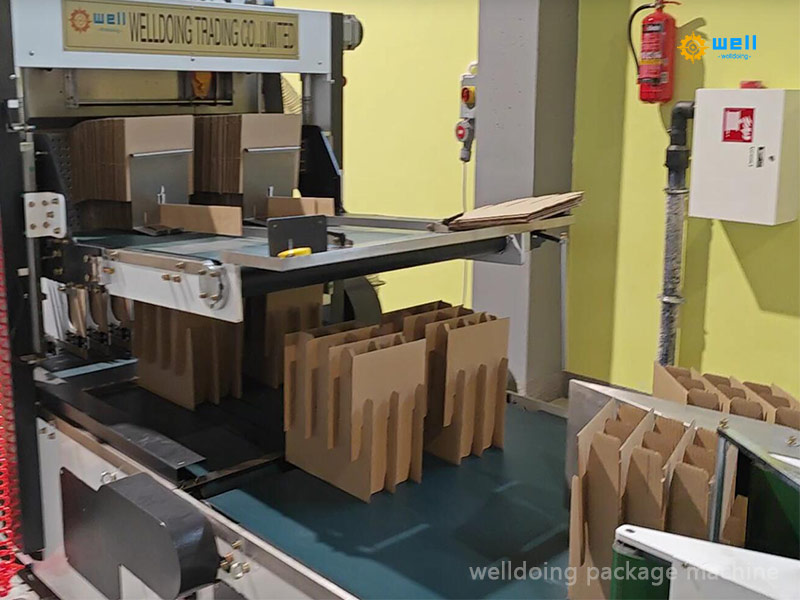
The latest generation partition assembler machine uses vacuum adsorption feeding for cardboard sheets, solving double-feeding, sheet scratching and offset problems common with low-end partition assembly machines. Servo-controlled synchronous feeding maintains positioning accuracy within ±1 mm, so every finished divider has uniform cell size. Uniform partitions hold glass bottles securely; each bottle sits neatly inside its own cell with minimal movement during stacking, palletizing and long-distance shipping. Packaging data from beverage users shows that installing this partition assembler machine reduces glass breakage rates significantly, protecting against costly product claims and brand damage caused by broken glass shipments. For beverage exporters shipping glass bottles across ocean freight, reliable divider packaging directly cuts cargo loss and improves buyer satisfaction.
Output improvement remains the primary reason beverage packaging lines integrate a partition assembler machine. A skilled worker can assemble dozens of glass bottle dividers per hour under ideal conditions. A high-speed partition assembler machine steadily produces hundreds of divider sets each hour, running continuously for extended production shifts. Many beverage plants report that after deploying the partition assembler machine, divider output rises 5–8 times compared with manual workflows. The machine can run in line with case packing equipment, feeding finished dividers straight into partition inserters or carton packing stations, building a seamless divider packaging workflow. Synchronized operation removes the buffer stock pressure; factories no longer need to pre-produce and store large stacks of cardboard dividers, lowering warehouse space demand and reducing waste from bent, damaged dividers held in inventory.
Labor savings add another strong financial advantage for beverage manufacturers. One partition assembler machine can replace a team of several workers dedicated to divider assembly. The remaining staff can be reassigned to quality inspection, machine supervision, maintenance and higher-value packaging tasks. For regions facing tight labor supply and rising minimum wages, the partition assembler machine delivers predictable ROI with stable operating costs, free from turnover and training headaches for repetitive manual divider work. The machine’s safety interlocks, jam detection and automatic stop functions reduce workplace ergonomic risks linked to repetitive bending, lifting and slotting cardboard, supporting safer factory conditions for beverage packaging teams.
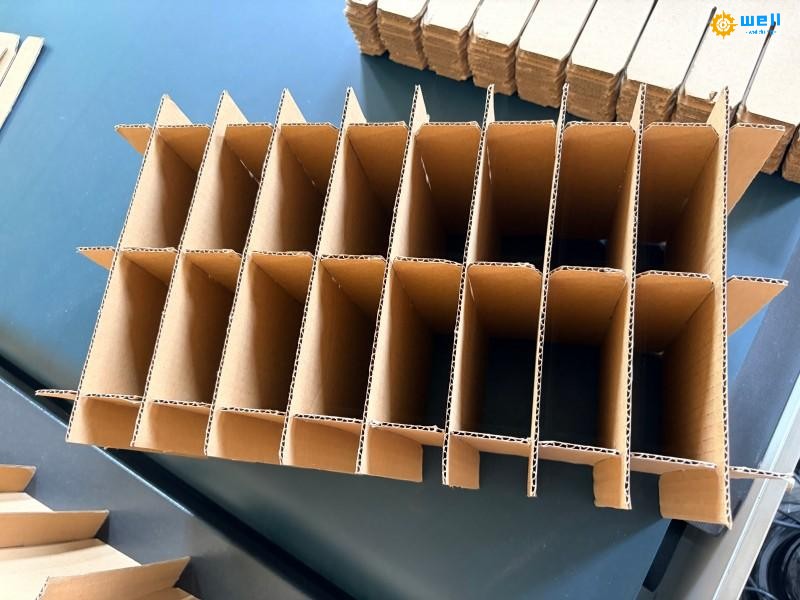
Material compatibility expands the use cases of this partition assembler machine in beverage glass bottle packaging. It runs standard corrugated board, single-face corrugated sheets and solid chipboard, matching different protection requirements. Lightweight corrugated dividers fit domestic distribution, while heavier board grids suit export-grade glass bottle cases that need stronger compression resistance for stacked sea containers. The machine also supports eco-friendly recycled paperboard, aligning with beverage industry sustainability targets. Many beverage brands now highlight recyclable glass bottles plus recyclable cardboard dividers as part of their green packaging story. The partition assembler machine works perfectly with recycled fibre boards, as its gentle feeding system avoids tearing lower-strength recycled cardboard, a common failure point for older divider assembly machinery.
Integration capability makes the partition assembler machine easy to add into existing beverage bottling lines. It can operate as a standalone offline divider production unit or connect upstream to cardboard die-cut feeders and downstream to automatic partition inserters, case packers and palletizers. PLC control with standard communication protocols allows packaging engineers to sync speed signals with adjacent equipment. Compact frame options are available for factories with limited floor space, while heavy-duty industrial models are built for 24/7 continuous operation in large glass beverage bottling facilities. Core electrical and pneumatic components adopt well-known international brands, lowering maintenance frequency and simplifying spare parts procurement for overseas beverage customers. Each partition assembler machine undergoes load testing before shipment to guarantee stable performance under continuous divider packaging cycles.
When selecting a partition assembler machine for glass bottle divider packaging, beverage plant managers should evaluate speed range, format changeover speed, sheet feeding stability, compatibility with local cardboard grades, after-sales support and spare parts availability. Not all partition assembler machines are optimized for fragile glass bottle packaging. Some generic partition assembly units are built for rigid industrial parts and lack the fine adjustment needed to produce soft, precise grids that fit glass contours. Buyers should prioritize models engineered for beverage glass bottle applications, with adjustable gap control to avoid tight cells that jam bottles or loose cells that allow shifting and breakage.
As competition tightens in glass-bottled beverage markets, production speed, packaging consistency and damage control separate profitable operators from struggling ones. The Automatic partition assembly insert machine transforms the divider packaging stage from a slow, variable manual process into a controlled, high-throughput automated station. Higher divider output lets bottlers fully unlock the capacity of their filling lines, reduce waste, stabilize packaging quality and meet tight delivery schedules for domestic retailers and international beverage importers. For any beverage facility packing glass bottles in corrugated cases, upgrading to a purpose-built partition assembler machine is a practical, high-impact investment that boosts output while protecting products, brand reputation and long-term packaging profitability.
Email:cartonmachine.tomwang@aliyun.com
Phone/Wechat/Whatsapp:+86 133 0307 8975